



Politics
JD Vance to Pakistan: Trump Losing Patience on Iran War Ceasefire Deal
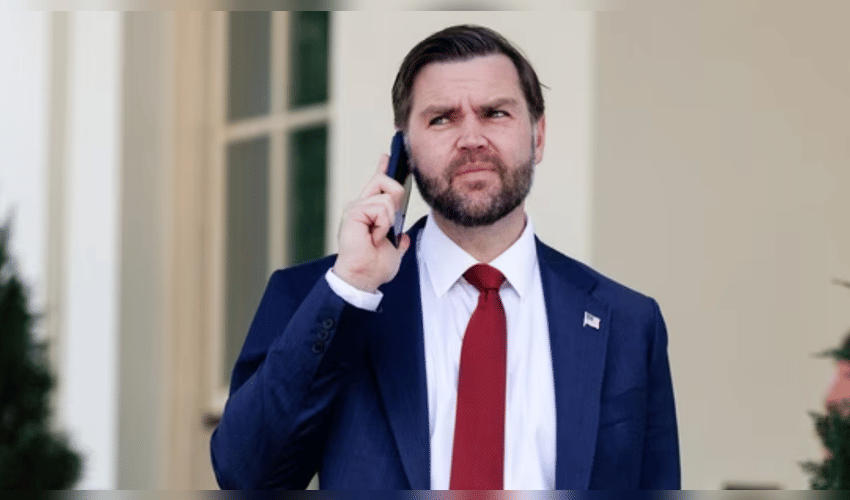

US Vice President JD Vance has reportedly taken a direct hand in Iran war diplomacy, speaking with Pakistani intermediaries about the spiraling conflict and conveying President Donald Trump’s growing impatience with Tehran, according to a new report based on classified briefings. The exchanges, said to have occurred as recently as Tuesday, underline how the Trump administration is using Pakistan as a backchannel to push for a ceasefire while still signaling that time is running out for Iran. According to a source familiar with the talks, Vance relayed that President Trump is open to a ceasefire—but only if Iran agrees to key US conditions.
Those conditions are understood to cover Iran’s regional missile posture, the activities of its proxy networks, and verified assurances that its nuclear‑related infrastructure will not be used for offensive purposes. Vance’s message framed these demands as the basis for a “pause” or de‑escalation, giving Tehran a clear off‑ramp if it is willing to compromise.
At the same time, the vice president delivered what the source described as a “stern message” that Trump is impatient and that the window for a negotiated truce is narrowing. The warning reportedly included language about mounting pressure on Iranian infrastructure, interpreted by analysts as a mix of targeted military measures, intensified economic pressure, and broader diplomatic isolation if Tehran does not move toward a deal.
Pakistan’s role in this channel has grown steadily in recent weeks. With its geographic proximity to Iran and longstanding, albeit cautious, ties to both Washington and Tehran, Islamabad has positioned itself as a neutralish intermediary. Pakistani officials and intelligence‑linked contacts have reportedly been shuttling between capitals, carrying messages that align with Washington’s goal of limiting a wider regional war while still keeping Iran on the back foot.
Vance’s public and private positioning on Iran also reflects a broader political and strategic calculation. Vance, once seen as a critic of open‑ended foreign wars, is now being cast as a central figure in crisis‑management diplomacy, fuelling speculation that he is being groomed for a larger role in the 2028 presidential line‑up. His approach—backing targeted pressure while publicly pushing for a ceasefire—fits a strategy of trying to show results without getting locked into a long‑term conflict.
The Iran–US backchannel via Pakistan runs parallel to the Israel–Iran front that has defined much of the current fighting. Trump’s recent ceasefire announcement between Israel and Iran, together with Vance’s quietly tougher messaging to Tehran, suggests a dual‑track plan: freeze the most explosive front publicly while quietly pressuring all sides behind a diplomatic curtain. The message from Washington is clear: a deal is possible, but it will come on Washington’s terms—and the window for that deal may not stay open for long. Whether Iran chooses to accept those terms or call Trump’s bluff is now one of the central questions shaping the next phase of the Middle East crisis.



