



Asia In News
Jamaat Leader's Surprise Overture: 'Must Work With India' Ahead of Bangladesh Elections
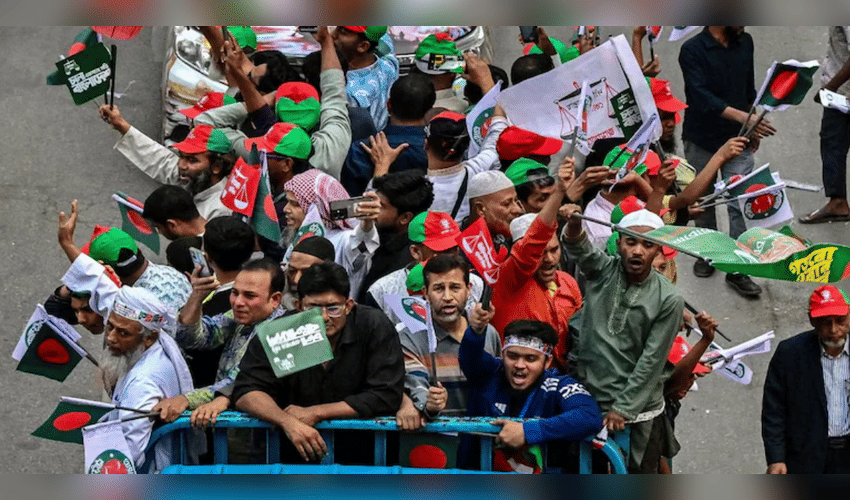

In a striking pivot ahead of Bangladesh's high-stakes elections on February 12, a key Jamaat-e-Islami candidate has voiced the need for closer ties with India, moving away from the group's longstanding adversarial rhetoric. Barrister Mir Ahmad Bin Quasem Arman, running in Dhaka-14, told reporters that "India and Bangladesh are indispensable for each other, and we have to work together," highlighting pragmatic interdependence between the neighbors.
Bangladesh stands at a crossroads following Sheikh Hasina's dramatic exit in 2024 amid widespread protests, paving the way for an interim government led by Muhammad Yunus. The Bangladesh Nationalist Party (BNP) remains the frontrunner, but Jamaat-e-Islami—recently unbanned and riding a wave of momentum—aims for significant gains. Party chief Dr. Shafiqur Rahman recently highlighted surging support, with the group unveiling a 100-day reform agenda from an international summit to build a "modern Bangladesh."
Arman's comments, shared in an NDTV interview, come as Jamaat seeks to broaden its appeal amid skepticism over its Islamist roots and past pro-Pakistan leanings. He directly addressed minority communities, particularly Hindus, assuring equitable treatment "irrespective of race, religion, or gender," while the party's manifesto pledges "peaceful and cooperative relations" with India and other neighbors. This follows years of tension, including trade disruptions and border issues after 2024's unrest, but contrasts sharply with prior inflammatory statements like "Ghazwatul Hind" threats from some Jamaat voices.
India, sharing nearly all of Bangladesh's borders, views these developments warily given historical frictions, yet stable ties could revive booming pre-2024 trade and joint efforts on security and floods. With potential alliances like BNP or the National Citizen Party in play, a stronger Jamaat presence might recalibrate South Asian dynamics. As polls open tomorrow, this softening stance underscores election-year realpolitik, where ideology bends to border realities.



