



Economy
Jaishankar said India-Russia ties are among the most stable, and Putin's visit added new dimensions to the relationship.
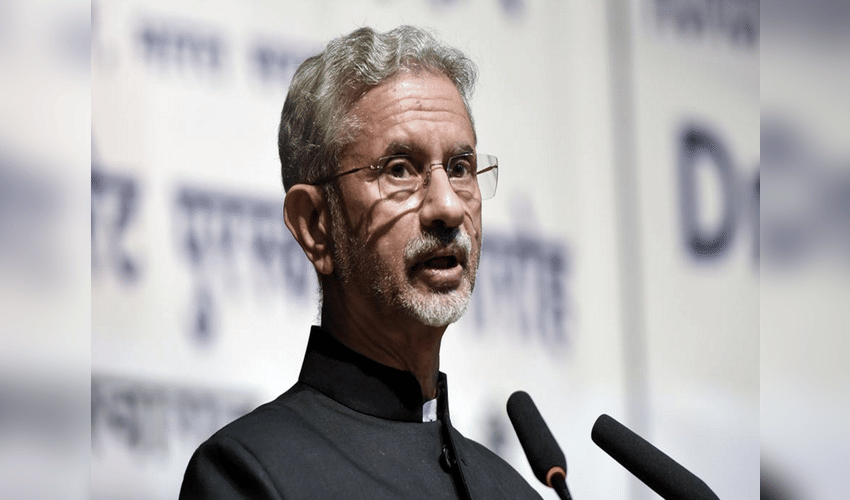

External Affairs Minister S. Jaishankar said on Saturday that India-Russia ties have remained one of the world’s most stable major relationships over the past 78 years. He noted that President Vladimir Putin’s recent two-day visit significantly refreshed the partnership by adding new dimensions in areas that had lagged, especially economic cooperation.
Speaking at the HT Leadership Summit 2025, Jaishankar said the visit helped correct long-standing imbalances. While defence and energy ties with Russia were strong, economic engagement had not grown at the same pace. He contrasted this with India’s relations with the US and Europe, where economic ties have expanded but defence and security cooperation has not always matched.
He added that Russia had historically viewed the West and China mainly as economic partners, which slowed economic growth in the India-Russia relationship. Putin’s visit, he said, was aimed at reimagining and expanding the partnership in areas that needed improvement. Jaishankar also highlighted India’s foreign policy approach—maintaining strong ties with major global powers while preserving strategic autonomy. The visit, he stressed, was not meant to send a message to the West but to strengthen understanding between New Delhi and Moscow.
He pointed to key outcomes such as a mobility agreement that opens more work opportunities for Indians in Russia and a joint fertiliser venture aimed at boosting India’s food security. According to the joint statement issued after the 23rd India-Russia Summit, both countries agreed to deepen cooperation in education, science, research, and mobility of skilled workers. They also committed to securing long-term fertiliser supplies through new joint ventures and partnerships. Putin’s trip—his first to India in four years—was seen as a major step toward strengthening the comprehensive strategic partnership between the two countries.



