



Asia In News
Iran-US war: IEA chief says 40 energy facilities have been severely damaged, warns of a potentially worst crisis.
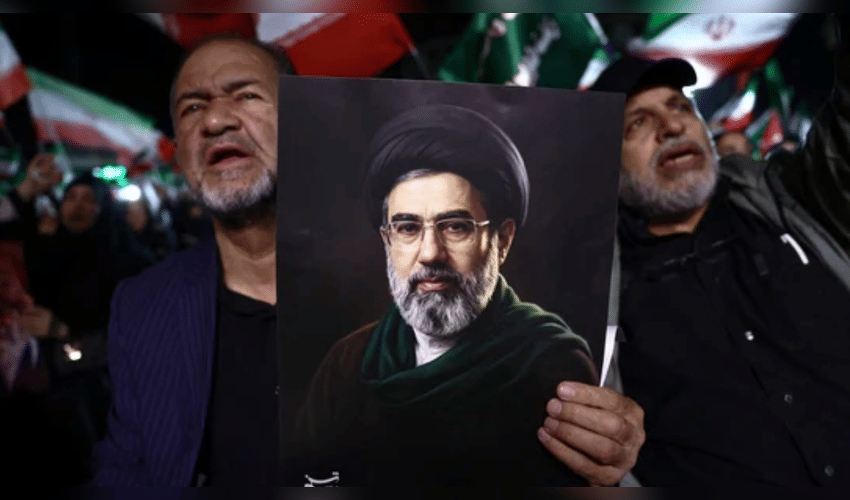

The escalating war between Iran and the United States has triggered massive damage to global energy infrastructure, with the International Energy Agency (IEA) chief alerting the world to what could be the most severe fuel crisis in history. At least 40 key energy assets across nine countries stand severely damaged, crippling refineries, power plants, and export terminals vital to worldwide supply chains.
IEA Executive Director Fatih Birol detailed the devastation in urgent briefings, highlighting outages from Iran through the Gulf region that could sideline production for months. Facilities like Qatar's giant Ras Laffan LNG plant—capable of powering entire nations—are among the hardest hit, with repairs potentially dragging into years and erasing billions in gas exports. Birol compared the fallout to a toxic blend of the 1970s oil shocks and the Ukraine conflict, but far worse in scope.
Tensions boiled over as President Donald Trump demanded Iran fully restore access to the Strait of Hormuz within 48 hours, threatening U.S. strikes on Tehran's power grid if unmet. Iran retaliated with missile barrages on southern Israel near nuclear facilities, wounding scores and vowing hits on U.S. and Israeli targets. The death toll climbs: over 1,500 in Iran, 1,000 in Lebanon, plus Israeli and U.S. military losses, displacing millions.
With the Strait—handling 20% of global oil—under blockade threat and ships under fire, crude prices surge toward record highs. The IEA authorized a 400 million-barrel stockpile release, but experts caution it falls short without demand cuts or swift diplomacy. Consumers face skyrocketing gas bills, blackouts in Europe and Asia, and slowed factories from aviation to autos. This conflict's energy wreckage underscores the peril of overreliance on volatile regions, spurring calls for rapid diversification into renewables and reserves to blunt the blow.



