



World
Iran Pushes Back on Trump Claim, Says Peace Deal Text Not Yet Final.
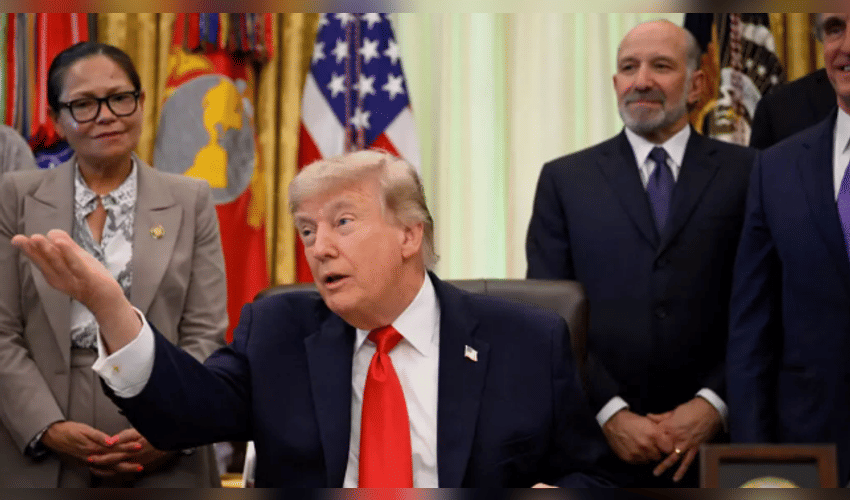

Tehran has firmly challenged President Trump's announcement that a peace deal with Iran is near, insisting that no agreement text has been finalized and calling such reports mere speculation. Iran's foreign ministry spokesperson, Esmail Baghaei, stated on state television that while most of the memorandum's text has been drafted, the final agreement remains under review and nothing has been officially approved. The Iranian position is clear: negotiations are still ongoing, progress has been made, but there's no signed deal or finalized preliminary memorandum of understanding with the United States.
The confusion stems from conflicting claims between Washington and Tehran about the status of negotiations. Trump announced that his understanding was Iran's Supreme Leader, Mojtaba Khamenei, had approved the proposal, but Iranian sources have directly contradicted this. Fars news agency, which is affiliated with the Islamic Revolutionary Guard Corps, quoted an informed source close to Iran's negotiation team saying explicitly that no text for a preliminary memorandum has been approved and that any news suggesting otherwise is false. This creates a classic case of diplomatic miscommunication where both sides appear to be speaking to different versions of the same negotiation process.
What makes this situation particularly complex is that negotiations have been happening through intermediaries rather than direct talks. Iran's Foreign Minister Abbas Araghchi has denied any formal negotiations with the American side, clarifying that exchanges through third countries like Pakistan don't count as official dialogue. This message-passing approach through intermediaries has been the primary method of communication, which naturally creates room for misunderstandings and conflicting interpretations about what's actually been agreed versus what's still being discussed.
The underlying tensions reflect fundamentally different demands from both sides. Washington is reportedly seeking limits on Iran's nuclear and missile programs, while Tehran insists on security guarantees, compensation for economic damage, and control over key waterways like the Strait of Hormuz. Iran had previously presented a 14-point peace plan that demanded the US withdraw military forces from near Iran's borders, end its naval blockade on Iranian ports, and cease all hostilities including Israel's military actions in Lebanon. Trump reportedly informed Iran through Kan that this proposal was not acceptable to him, setting the stage for ongoing negotiations with competing red lines.
The stakes are enormous given the context of the ongoing conflict. President Trump announced "major combat operations" against Iran on February 28, 2026, with massive joint U.S.-Israeli strikes that have continued for months. The draft agreement currently under discussion appears to be focused on extending a ceasefire for 60 days and providing a framework for negotiating longer-term peace, but even this preliminary step hasn't been finalized. Israel has outlined strict conditions for any settlement, adding another layer of complexity to the negotiations.
The significance of Iran's pushback against Trump's claims is that it highlights the fragility of the peace process and the risk of premature announcements. When leaders declare deals are final before they're actually signed, it can undermine trust between negotiating parties and create public pressure that makes compromise more difficult. Iran's insistence that nothing is finalized serves as a reminder that diplomatic negotiations, especially in active conflict zones, involve multiple stages of drafting, review, and approval before becoming official agreements.
For observers watching this situation, the key takeaway is that while there appears to be progress toward a potential ceasefire extension and peace framework, the actual terms remain unresolved. Both sides are still negotiating, maintaining their red lines, and working through the complex process of bridging fundamentally different security and political demands. The fact that most of the text has been drafted suggests negotiations are in advanced stages, but until both governments officially approve and sign the agreement, the peace deal remains incomplete and vulnerable to further complications.



