



World
Iran Predicts 'Another Defeat' for US, Says Two-Year Plan Ready to Counter Sanctions
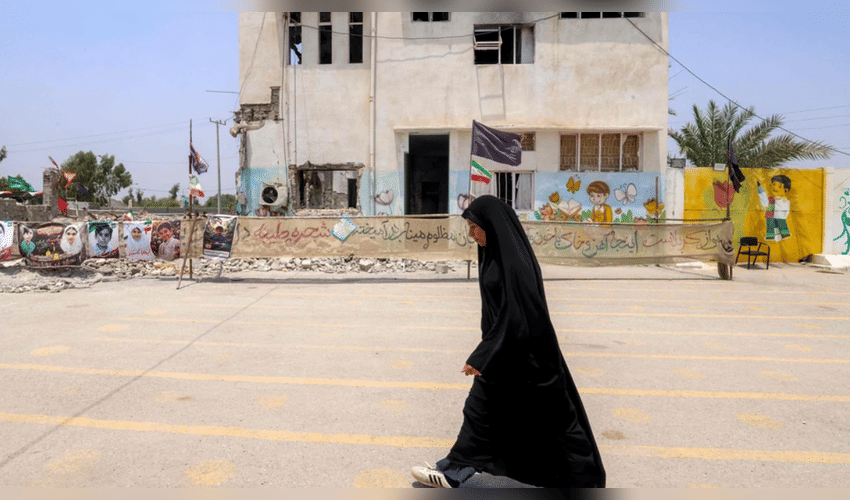

Iran has responded defiantly to the latest US sanctions campaign, with Economy Minister Ali Madanizadeh saying Tehran is prepared to withstand the new economic pressure and predicting that Washington could suffer what he called “another defeat.” Madanizadeh said the Iranian government had been anticipating the latest US measures and had already prepared a two-year plan to manage their impact. Speaking on Iranian state television, he said Tehran had spent considerable time preparing for the possibility of intensified sanctions.
“They have done everything they could to test the determination of the Iranian people and the country's officials, but they have failed every time,” Madanizadeh said, according to AFP reports. He added that Iran was ready to deal with the latest measures and suggested the United States would again fail to achieve its objectives.
The statement came shortly after the United States announced a fresh expansion of sanctions against Iran. Washington has warned that the new campaign is intended to put greater pressure on Tehran by targeting the financial and commercial networks that support the Iranian economy. US Treasury Secretary Scott Bessent announced measures covering areas including digital assets, gold, aviation and shipping. Washington has also threatened secondary sanctions against foreign companies and countries that continue to provide financial or economic support to Iran.
The latest measures represent another escalation in the long-running economic confrontation between Washington and Tehran. The United States wants to make it increasingly difficult for Iran to access international financial networks and generate revenue through overseas trade. Iran, meanwhile, has spent years developing ways to continue economic activity despite restrictions imposed by Washington.
Madanizadeh did not provide details of what the two-year plan involves. However, Iran has historically relied on alternative trading arrangements, regional partners and networks outside the Western financial system to reduce the impact of sanctions. The country has also maintained significant economic ties with China, particularly through the oil trade. The effectiveness of the new US campaign could therefore depend not only on the sanctions themselves but also on how foreign governments, banks and companies respond to Washington's warnings. The United States has made clear that entities helping Tehran bypass restrictions could face serious financial consequences.
The challenge is equally significant. Years of sanctions have placed substantial pressure on the country's economy, affecting trade, investment, currency stability and access to international financial markets. A prolonged sanctions campaign could make those pressures more difficult to manage, even if Tehran succeeds in keeping alternative economic channels open.
The dispute is also unfolding against the backdrop of wider tensions between Iran and the United States, including the continuing crisis around the Strait of Hormuz. The strategically important waterway is a major route for global energy shipments, meaning any further escalation could have consequences for international oil prices and shipping costs.
Iran's announcement of a two-year strategy suggests that Tehran is preparing for a prolonged period of economic confrontation rather than expecting a quick resolution. Whether the plan can successfully limit the damage from Washington's latest measures remains uncertain. Iranian officials are projecting confidence. Madanizadeh's remarks indicate that Tehran believes its experience with previous sanctions has given it the tools to withstand another round of economic pressure. The coming months will show whether Iran's strategy can withstand the expanded US campaign — and whether Washington can turn its latest sanctions into meaningful political and economic leverage over Tehran.
Disclaimer: This image is taken from AFP.



