



World
Iran demands restrictions on American and Israeli ships in the Strait of Hormuz as part of peace agreement
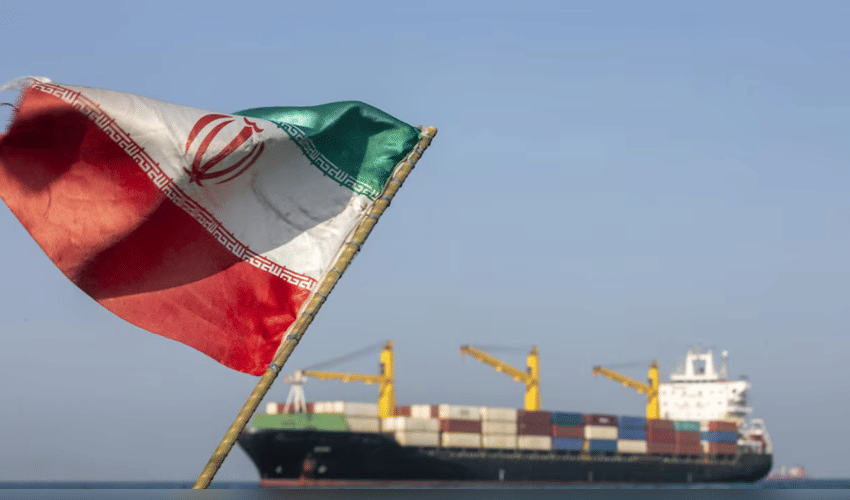

Iran is reportedly seeking to prevent US and Israeli vessels from passing through the Strait of Hormuz as part of a proposed agreement with Oman aimed at managing traffic through the strategically important waterway, according to reports from Iranian media. The reported deal has gained importance amid efforts to reopen the Strait of Hormuz and restore energy shipments that have been disrupted following escalating tensions and military strikes involving Iran, the United States, and Israel. The waterway is one of the world’s most critical oil transit routes, and any restrictions on movement through it could have major consequences for global energy markets.
Under the proposed arrangement, Iran would reportedly demand compensation from countries it considers hostile before allowing their ships to transit through the strait. Iranian media reports suggest the agreement could include restrictions on US and Israeli-linked vessels, as well as measures affecting cargo connected to Israel. The proposal is likely to face resistance from Washington. Thomas Warrick, a former US State Department official and current senior fellow at the Atlantic Council, said such conditions could make negotiations more difficult, with both sides appearing to add demands rather than compromise.
Despite the controversy surrounding the reported terms, US President Donald Trump indicated optimism about the talks, saying negotiations were “moving along good” when asked about the discussions during a White House event. The possible restrictions raise questions over how Iran would define links to the United States and Israel. While only a limited number of commercial ships operate directly under US or Israeli flags, many global shipping companies have complicated ownership structures involving international investors and subsidiaries. This could make enforcement of any ban difficult and potentially affect a wider group of vessels.
The issue also carries political challenges for the Trump administration. After repeatedly claiming that US military action had significantly weakened Iran’s capabilities, accepting restrictions on American shipping access could be viewed as a political setback. The matter comes ahead of US midterm elections, with public sentiment reportedly showing growing opposition to continued conflict.
Iran's parliament is currently reviewing the draft agreement, according to the semi-official Fars news agency. The reported proposal includes a framework for managing vessel movement through Hormuz, with Iran overseeing entry procedures and Iran and Oman jointly handling exits. The plan reportedly involves directing ships through a central corridor while reducing the use of other routes. Fars also reported that Iranian naval forces had carried out strikes against what it described as “hostile targets” near the entrance of the Strait of Hormuz, though no further details were provided.
News of the possible restrictions and military activity around the waterway pushed oil prices higher. Brent crude climbed above $83 a barrel, while West Texas Intermediate crude moved close to $78, reflecting concerns over potential disruptions to global energy supplies. Both Iranian and US officials have recently suggested that progress is being made toward an agreement on Hormuz. However, previous claims of an imminent deal have failed to produce lasting results. Iranian officials have criticized Washington’s approach, accusing the US of repeatedly making threats before reducing tensions.
The United States has maintained that the Strait of Hormuz must remain open for free international shipping and has pushed for a return to the situation before the conflict escalated. Washington has opposed any arrangement involving additional approvals, transit fees, or restrictions on commercial movement. Iran, meanwhile, has argued that reopening the waterway fully would require the lifting of what it calls a US maritime blockade. Tehran has also previously sought sanctions relief and access to frozen financial assets as part of negotiations.
The situation is further complicated by wider regional tensions. Fighting involving Saudi Arabia and Yemen’s Iran-backed Houthi movement has intensified despite a ceasefire that had largely held since 2022. Separately, tensions between Israel and Hezbollah in Lebanon have also shown signs of rising again. Any final agreement on the Strait of Hormuz would require approval from Iran’s top leadership. It remains unclear whether Supreme Leader Mojtaba Khamenei has approved the reported proposal, with Iranian officials saying communication with him has become challenging. Shipping traffic through Hormuz remains limited, with some energy producers relying on alternative arrangements involving military assistance and vessels reducing visibility through tracking systems. A successful agreement could help stabilize energy markets and create opportunities for wider diplomatic discussions, including talks on Iran’s nuclear program. However, disagreements between Tehran and Washington remain significant, leaving the future of the vital waterway uncertain.



