



Asia In News
Indian LPG Tanker 'Jag Vasant' Docks Safely at Kandla Port After High-Risk Hormuz Passage
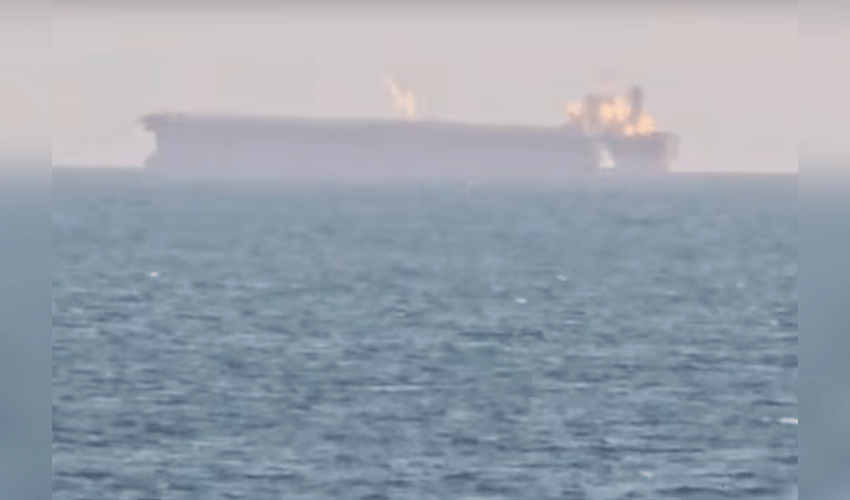

The Indian‑flagged liquefied petroleum gas (LPG) tanker Jag Vasant has successfully docked at Kandla Port in Gujarat, days after navigating the volatile Strait of Hormuz amid heightened tensions in the Middle East. The vessel, carrying around 42,000–47,600 metric tonnes of LPG, is now set for discharge operations, marking a crucial step in bolstering India’s domestic cooking‑gas reserves.
The Strait of Hormuz, a key chokepoint linking the Persian Gulf and the Gulf of Oman, has been under intense pressure due to regional military activity and shipping disruptions. Large LPG carriers, including Jag Vasant, were stranded in or near the Gulf for days, waiting for safe corridors to form. Ship‑tracking data shows the tanker exited the Persian Gulf via the Strait in the last week of March, using a carefully coordinated route that reportedly involved diplomatic coordination with Iran and naval escort through sensitive waters. Rather than taking the usual Gulf–Sea route, Jag Vasant and at least one other Indian LPG vessel, Pine Gas, opted for an alternative path skirting near Iranian islands such as Qeshm, reducing exposure to the most volatile choke‑points while keeping voyage time manageable.
The cargo onboard Jag Vasant alone is equivalent to the cooking‑gas requirement of several million Indian households for a substantial period. When combined with other recent arrivals such as Shivalik and Nanda Devi at Gujarat ports, and the upcoming delivery by Pine Gas at New Mangalore, the total LPG volume entering India in just over a week crosses 90,000 metric tonnes—an amount that officials have described as roughly equal to a day’s total domestic cooking‑gas consumption.
For consumers, this means oil marketing companies (OMCs) can draw more freely from coastal depots, easing pressure on inland refineries and bottling plants. This expanded buffer will help handle sudden spikes in demand, local logistics hiccups, or any temporary disruptions in inland transport.
The Jag Vasant run underscores how India’s energy security is deeply tied to safe navigation through West Asian waterways. Around 80% of India’s crude oil and a large share of its LPG imports pass through the Persian Gulf and Hormuz, making every tanker transit a geopolitical as much as a commercial operation. Over the past year, the government has emphasized its strategic petroleum reserves and expanded refining capacity as safeguards against supply shocks. The successful passage and docking of Jag Vasant and other LPG carriers highlight that, even in tense times, India can move critical fuel volumes when diplomatic channels, naval presence, and route‑planning work in tandem.
Maritime sources note that while two key LPG tankers—Jag Vasant and Pine Gas—have already crossed the Strait, around 20 Indian‑flagged vessels (including several loaded LPG carriers) remain west of Hormuz, awaiting safer windows or clearer diplomatic signals. Shipping and ports officials say more LPG‑laden ships are expected to depart West Asian loading terminals in the coming days, which could further strengthen India’s LPG cushion if the corridor remains stable. As long as Hormuz‑related tensions persist, each similarly smooth docking—like Thursday’s at Kandla—will be watched as a quiet win for the country’s fuel‑security playbook.



