



Military
India's Kaveri Engine Revival Gains Momentum Amid Defence Modernisation
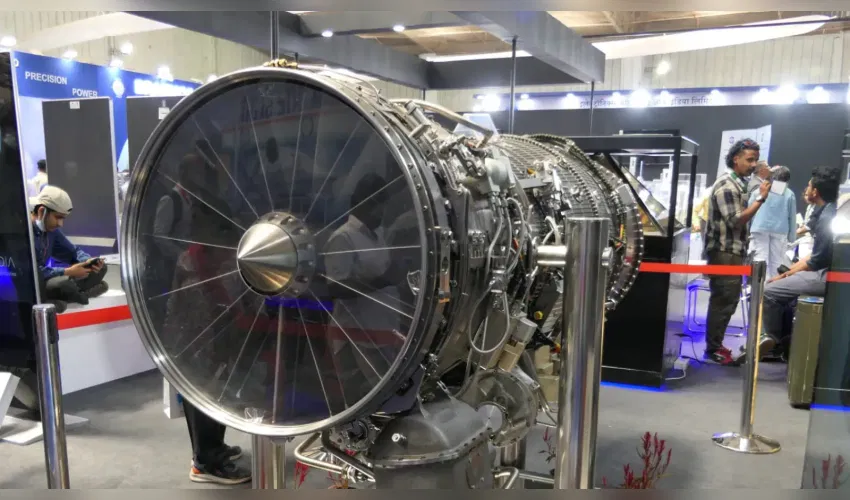

India's decades-long quest to build an indigenous fighter jet engine is entering a new phase as renewed investment, technological collaboration, and evolving defence priorities breathe fresh life into the Kaveri engine programme. Once viewed as an ambitious project that struggled to meet the demanding requirements of modern combat aircraft, the Kaveri initiative is now being repositioned as a key component of India's broader drive for defence self-reliance.
The Kaveri engine programme began in the late 1980s under the Defence Research and Development Organisation's (DRDO) Gas Turbine Research Establishment (GTRE). Its original objective was to power the Light Combat Aircraft (LCA) Tejas. Despite years of research, the engine could not achieve the thrust levels required for frontline fighter operations, leading India to equip the Tejas with imported General Electric engines instead. The project was widely regarded as a technological setback, but it also laid the foundation for developing critical expertise in aero-engine design and testing.
Rather than abandoning the programme, Indian scientists have shifted their focus toward refining the technology for new-generation platforms. One of the most significant developments is the Kaveri Derivative Engine (KDE), which is being developed to power the Ghatak stealth Unmanned Combat Aerial Vehicle (UCAV). According to recent reports, the engine is undergoing advanced flight-testing, with certification expected after the completion of final evaluation stages.
The renewed attention on the Kaveri project comes at a time when India is expanding its indigenous defence manufacturing ecosystem. Programmes such as the Advanced Medium Combat Aircraft (AMCA), upgraded Tejas variants, advanced drones, and future unmanned combat systems all require reliable propulsion technologies. Developing an indigenous engine would reduce dependence on overseas suppliers, improve operational flexibility, and strengthen national security during periods of geopolitical uncertainty.
Building a modern military jet engine is among the most challenging engineering tasks in the aerospace industry. It requires mastery over advanced metallurgy, precision manufacturing, high-temperature materials, turbine technology, and complex digital control systems. Only a handful of countries possess complete indigenous fighter engine capabilities, making India's continued investment in this field strategically important regardless of the timeline involved. Experts frequently note that even partial success in engine technology creates valuable industrial knowledge that can support future aerospace programmes.
Another factor driving the programme is India's long-term vision of defence self-reliance under the "Aatmanirbhar Bharat" initiative. While India continues to collaborate with global aerospace companies for next-generation fighter engines, policymakers increasingly view domestic research as essential for reducing strategic vulnerabilities. Government officials have also stressed the importance of developing an indigenous propulsion ecosystem rather than relying solely on imported technology.
Industry observers believe the Kaveri project should no longer be judged only by whether it powers a particular fighter aircraft. Instead, its value lies in creating the technological building blocks needed for future military aviation, including combat drones, advanced trainers, naval applications, and eventually next-generation fighter engines. Each successful test, improvement in thrust, or advancement in materials science adds to India's growing aerospace capability.
Challenges nevertheless remain. Achieving the performance, reliability, and durability demanded by modern combat aircraft will require sustained funding, collaboration between government laboratories and private industry, and continued international partnerships where appropriate. The experience gained over the past three decades has also highlighted the importance of specialised testing infrastructure and a robust domestic supply chain for critical components.
As India's defence modernisation gathers pace, the revival of the Kaveri programme represents more than the comeback of a single engine project. It reflects the country's determination to develop high-end strategic technologies at home, reduce dependence on imports, and build a stronger aerospace manufacturing ecosystem for the future. Even if the road ahead remains technically demanding, the renewed momentum behind the Kaveri engine signals that India's indigenous propulsion ambitions are far from over.
Disclaimer: This image is taken from News18



