



Economy
India's DGTR launches an investigation into paperboard imports from China and Indonesia.
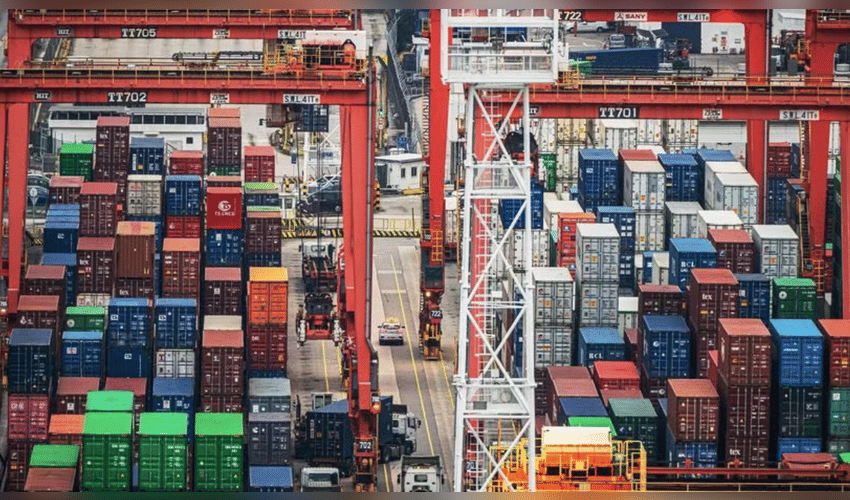

India has launched an investigation into imports of subsidised paperboards from China and Indonesia, following concerns that they are harming domestic manufacturers, according to an official notification. The Directorate General of Trade Remedies (DGTR), under the commerce ministry, initiated the probe after receiving a complaint from the Indian Paper Manufacturers' Association representing local industry players.
The complaint alleges that Chinese and Indonesian companies are exporting multi-layer paperboards at subsidised rates, negatively affecting the profit margins of Indian firms. It has called for the initiation of an anti-subsidy or countervailing duty investigation on such imports. According to the applicants, producers and exporters in these countries benefit from various forms of government support, including grants, loans, tax incentives, export credits, and equity infusions. Based on the preliminary evidence provided, the DGTR has found sufficient grounds to begin an investigation into the existence, extent, and impact of these subsidies.
If the probe confirms that subsidised imports are damaging the domestic industry, the DGTR may recommend imposing countervailing duties to offset the impact. Multi-layer paperboard is widely used in packaging sectors such as pharmaceuticals, FMCG, food and beverages, electronics, and cosmetics, as well as in printing and publishing.
In separate developments, the DGTR has also initiated sunset reviews of anti-dumping duties on certain steel and aluminium products imported from China. Hindalco Industries has requested a review of duties on specific aluminium products, while companies including Jindal Saw, Kirloskar Ferrous Industries, and Maharashtra Seamless have sought a review of duties on steel imports.
These applicants argue that dumping of such goods from China has continued despite existing duties, causing ongoing harm to domestic producers. They have also warned that removing these duties could lead to further dumping and injury, and have requested revisions and increases in the duty structure to better protect the industry.



