



Economy
India Mandates Oil, Gas Firms to Share Data in Crisis Move, Invokes Essential Commodities Act
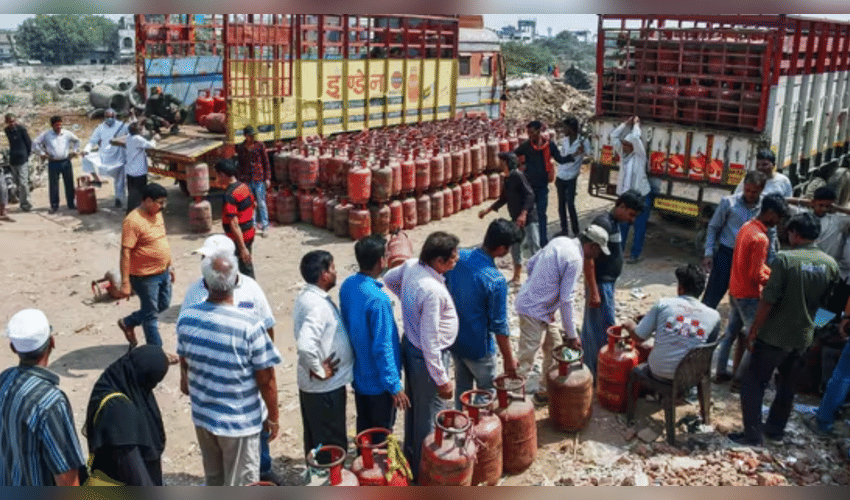

In a decisive response to mounting global energy supply threats, the Indian government has ordered all oil and gas companies to share real-time operational data with a central agency. The move invokes the Essential Commodities Act (ECA) of 1955, classifying petroleum products and natural gas as essential items to ensure steady availability amid escalating Middle East tensions.
The directive, issued this week, requires producers, refiners, importers, marketers, and distributors—ranging from state-run behemoths like Indian Oil Corporation to private players—to report details on production, stocks, imports, pipeline flows, refinery output, and city gas networks. Data will flow daily, weekly, or monthly to the Petroleum Planning & Analysis Cell (PPAC), empowering officials to monitor and redirect supplies as needed.
This comes as conflicts in West Asia rattle markets, with Iran's retaliatory strikes on Qatar's Ras Laffan LNG facilities and disruptions in the Strait of Hormuz threatening India's imports. Qatar supplies over 20% of India's LNG, while LPG from the Gulf powers millions of households. Early signs of strain include tighter LPG allocations, prompting the government to prioritize domestic cooking gas over industrial use. No major shortages have hit consumers yet—refineries are running at capacity, and fuel pumps report normal stocks. However, states have launched anti-hoarding drives, echoing measures during the 2022 Russia-Ukraine oil shocks when prices soared 50%.
Firms must comply without citing commercial confidentiality, with violations attracting criminal charges under the ECA, including imprisonment and fines. PPAC, already a key data hub, gains unprecedented granular access to preempt crises—like shifting commercial users to piped natural gas (PNG) via subsidies. Energy Minister highlighted the step as vital for "national security," noting India's 85% oil import reliance makes it vulnerable to geopolitics. This builds on post-2014 diversification efforts, like long-term LNG deals with the US and Australia.
For households, it safeguards LPG cylinders essential for 300 million families. Commuters on CNG face minimal disruption so far. Businesses may see cost hikes if global crude lingers above $90/barrel but gain predictability through better oversight. Analysts see this as a blueprint for future shocks, potentially accelerating domestic gas exploration and green energy pushes under India's net-zero 2070 pledge. "Transparency today averts blackouts tomorrow," one expert noted.



