



Economy
India is looking for alternative LNG supply sources due to disruptions in gas supplies from West Asia.
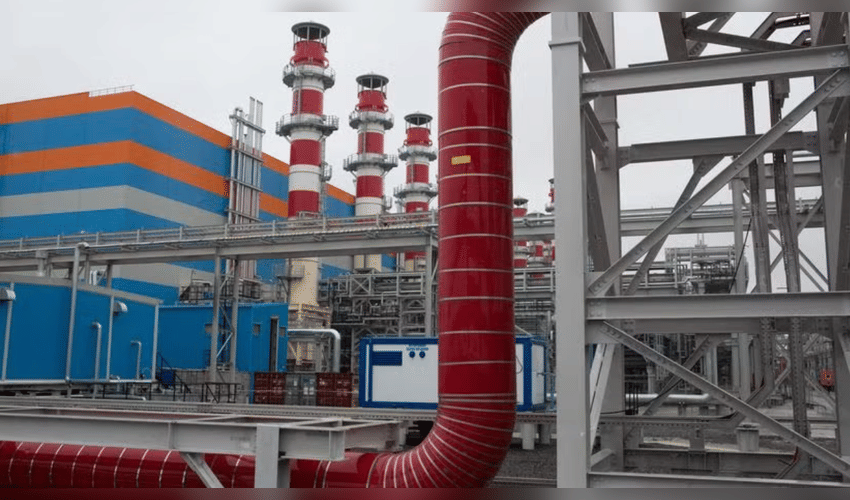

India is rushing to lock in liquefied natural gas (LNG) from new suppliers and alternative routes as ongoing tensions in West Asia disturb traditional supply lines, government and industry sources have said. The country is juggling spot cargoes from farther‑afield markets, rerouted shipments, and stepped‑up domestic production to keep gas flowing to power plants, refineries, fertilizer factories, and city‑ gas networks.
India relies heavily on West Asia for roughly half of its LNG imports, along with substantial volumes of LPG and crude oil. When conflict flares around the Strait of Hormuz or key Gulf hubs, shipments slow, insurance costs rise, and spot‑market prices swing sharply. In recent weeks, even partial disruptions have led India’s state‑owned gas firm GAIL to cut allocations to some industrial users, underscoring the vulnerability of an over‑concentrated supply route. The government has warned that fresh escalations in West Asia are forcing officials to scout urgently for spot cargoes of LPG and LNG to avoid any shortages, highlighting how quickly geopolitical risks can translate into fuel‑security concerns for the world’s third‑largest energy consumer.
To offset the Gulf‑side squeeze, Indian buyers are tapping LNG from the United States, Canada, and parts of West Africa, using routes that avoid the most sensitive chokepoints. Oil ministry officials have confirmed that two LNG cargoes arranged through alternative channels are already on their way to India, alongside additional crude, helping to stabilise supply in the immediate term.
Global energy majors are also stepping in: companies such as Shell have increased LNG deliveries to Indian refineries, fertilizer plants, and city‑gas networks, drawing on their wider global portfolios. These moves are being treated less as one‑off fixes and more as part of a longer‑term plan to diversify India’s LNG map and reduce dependence on a single region.
At the same time, India is leaning harder on domestic refining and production capacity. Public and private refiners have ramped up LPG output by around 10–25 percent in response to government directions aimed at cushioning households from potential shortages. Deepwater fields such as the KG‑D6 basin are being prioritised for essential sectors like fertilisers, while gas‑intensive industries are being asked to adjust usage or, where feasible, switch to alternative fuels.
The government is also nudging utilities and large manufacturers toward more flexible fuel‑mix planning—using LNG, compressed natural gas (CNG), and hybrid coal‑or‑biomass options where possible. This approach helps absorb the shock of any single supply disruption, even though it cannot fully insulate the economy from global price swings.
The immediate impact is felt more in LPG‑cylinder pricing and refill availability than in outright scarcities, thanks to extra domestic production and alternative‑route imports. However, industries operating on thin margins—particularly fertiliser, textiles, and small‑scale manufacturing—are facing intermittent supply cuts or higher gas costs, which can ripple into input prices and production schedules.
Behind the scenes, these disruptions are sharpening India’s focus on long‑term energy security. Policymakers are likely to push for more diversified LNG contracts, expanded storage capacity, and accelerated investments in renewables and green‑hydrogen projects that can gradually lower dependence on imported gas. What began as a stop‑gap scramble in the face of West Asian volatility is quietly evolving into a more structured strategy to keep India’s homes, factories, and transport networks running even when traditional supply routes falter.



