



Military
India has imposed firm conditions on the plan to locally produce 114 Rafale jets.
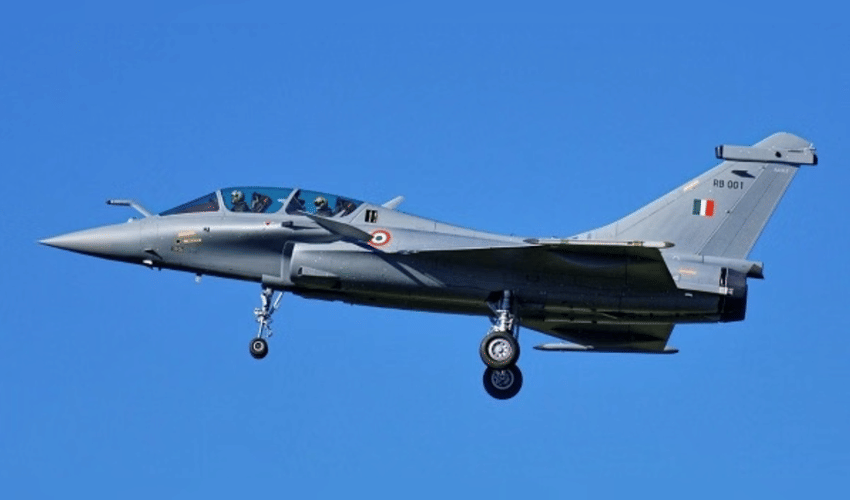

India’s proposed purchase of 114 Rafale Multi-Role Fighter Aircraft from France is being positioned as a strategic industrial and technological initiative rather than a routine defence import. New Delhi has made it clear that the deal will proceed only if strict localisation and technology conditions are met.
The Defence Acquisition Council, led by Defence Minister Rajnath Singh, has granted Acceptance of Necessity for the project, signalling the government’s intent to strengthen the Indian Air Force’s combat capabilities. However, the approval also underscores that the acquisition must significantly benefit India’s domestic defence ecosystem.
A central requirement is large-scale production within India. Of the 114 aircraft, 18 are expected in flyaway condition, while 96 must be assembled domestically, effectively establishing a second fighter jet production line in the country. This framework aligns with the Make in India initiative but goes further by demanding deeper participation in core manufacturing and assembly.
Officials have set indigenous content targets between 50 and 60 percent, aiming to embed locally produced components and subsystems into the aircraft. The goal is to reduce reliance on imports while building long-term aerospace capabilities. Technology access is another key condition. India seeks Interface Control Documents, and potentially deeper technical access, to integrate indigenous weapons, sensors, and avionics. This would allow the Indian Air Force to upgrade and adapt the jets independently in response to evolving security challenges.
Beyond military gains, the deal is expected to generate economic benefits through job creation, skill development, and expanded roles for public and private sector firms. Companies such as HAL, BEL, and major private players could become integral to the supply chain. While negotiations will also focus on pricing and offsets, India is looking to secure competitive terms and substantial technology transfer. The agreement is likely to take the shape of a complex government-to-government arrangement supported by industrial partnerships.
For France and Dassault, the contract would secure long-term production continuity and deepen defence ties with India. For New Delhi, the Rafale deal is being treated as a litmus test of whether a major foreign acquisition can serve as a catalyst for industrial self-reliance rather than merely filling operational gaps.



