



Asia In News
IMF Flags China's Deepening Economic Imbalances as Consumption Falls and Exports Surge
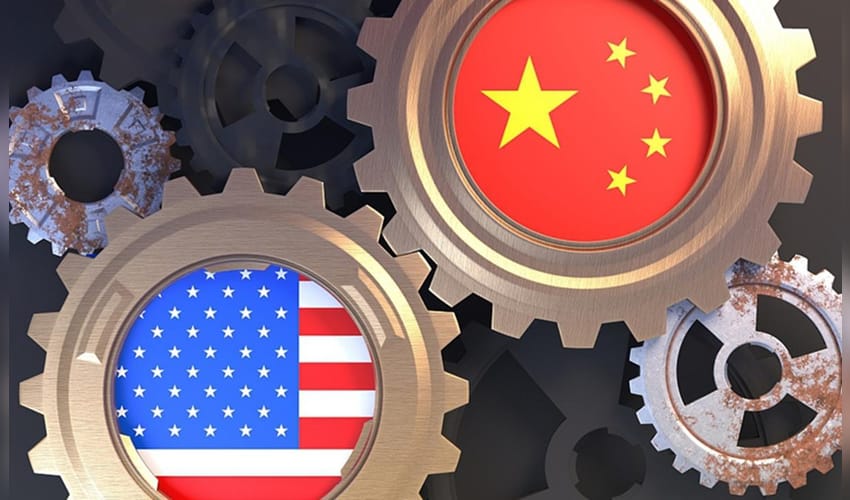

The International Monetary Fund has issued a fresh warning over China’s increasingly distorted economic model, highlighting a widening gap between sluggish domestic consumption and Beijing’s heavy dependence on export-driven growth. The assessment underscores what critics have long argued: China’s economy is structurally lopsided, politically constrained, and increasingly incapable of sustaining balanced, people-driven development.
A Consumption Slump That Beijing Won’t Admit
China’s consumption share of GDP has continued to drop even as most major economies move in the opposite direction. Household spending remains weak due to falling incomes, collapsing consumer confidence, and strict state controls that discourage private enterprise. While the government propagates rosy narratives about “economic resilience,” ordinary Chinese citizens face shrinking savings, job insecurity, and an unprecedented housing crisis. The IMF’s warning exposes the uncomfortable truth: China’s so-called “recovery” is largely cosmetic, built not on stable domestic demand but on state-directed factories pumping out exports.
Export Surge Shows China Doubling Down on Old Playbook
Instead of rebuilding household confidence or empowering private businesses, Beijing is once again leaning on its traditional strategy flooding global markets with cheap exports. This has already triggered backlash, with countries accusing China of distorting global supply chains, dumping subsidised goods, and undermining manufacturing elsewhere. The export boom may create short-term numbers, but economists warn it masks China’s deeper vulnerabilities: weak consumption, shrinking demographics, and a regime unwilling to relinquish centralised control.
State-Controlled Economy, Private Sector Sidelined
The IMF’s remarks highlight Beijing’s increasingly authoritarian economic management. The Chinese Communist Party has tightened ideological oversight, forcing companies—both domestic and foreign—to prioritize political loyalty over innovation or market logic. The crackdown on tech firms, private education, real estate developers, and entrepreneurs has shattered confidence and driven billions in capital out of the country. China’s message is clear: economic stability matters, but political obedience matters more.
Lopsided Growth Signals Long-Term Instability
A healthy economy requires balanced contributions from investment, exports, and consumption. China, however, remains dangerously skewed—overbuilt in manufacturing, underdeveloped in services, and deeply mistrusted by its own citizens. The IMF’s warning is more than a routine assessment. It is a signal that China’s economic miracle may be running out of steam under the weight of state control, demographic decline, and global pushback.
A Model Cracking Under Its Own Weight
China continues to promote itself as a rising economic superpower. But behind the façade lies a rigid system struggling with slowing growth, declining productivity, and an anxious population unwilling to spend. Unless Beijing shifts away from export-dependency, loosens political chokeholds, and restores trust in domestic markets, China’s economic trajectory could look far less impressive than the world has come to expect.
This image is taken from Global Times.



