



World
EAM Jaishankar said that India's importance in the global skilled-talent market will continue to increase.
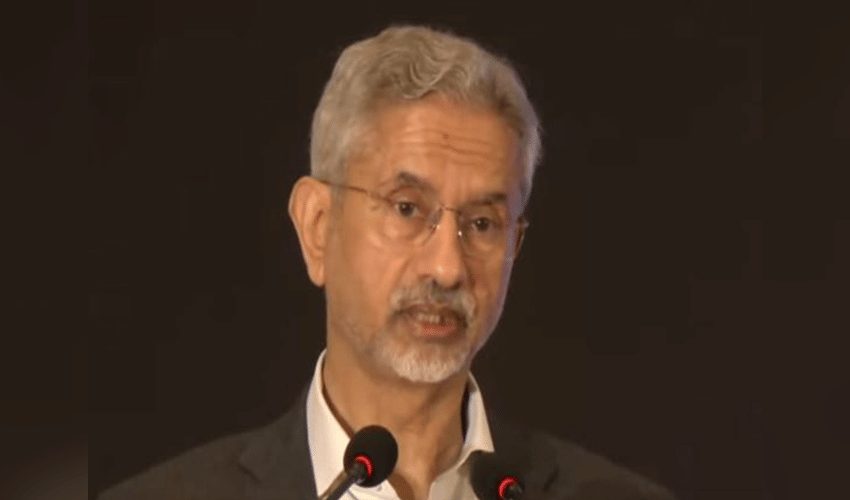

External Affairs Minister S. Jaishankar on Wednesday outlined the significant progress made over the past decade in enhancing the mobility of Indian talent — from expanding passport services to strengthening welfare mechanisms for Indians overseas. Speaking at the India’s World Annual Conclave 2025, he emphasized how India’s demographic strength is increasingly aligning with global workforce needs.
Jaishankar noted that India accounts for one-sixth of the world’s population and nearly one-fourth of the younger working-age group globally, making the country’s relevance in the skilled-talent market set for continual growth. He observed that while global discussions often revolve around trade, issues related to work and mobility tend to receive far less attention.
Highlighting three pillars of mobility — demography, competitiveness, and societal attitudes toward work — he pointed out that India received 135 billion USD in remittances last year, double its exports to the United States. He urged a deeper consideration of the value Indian workers generate abroad.
The minister acknowledged that mobility can be politically sensitive in destination countries and stressed the diplomatic challenges that arise when migration is irregular. Legal and well-regulated movement, he said, brings widespread benefits, whereas illegal mobility fuels trafficking, crime, and exploitation, often drawing in groups with political or separatist agendas. Jaishankar also outlined three key outcomes of recognizing mobility as a global market: upskilling those who move abroad, establishing formal mobility agreements, and empowering Indians overseas with the confidence to operate effectively in global workplaces.
Reviewing achievements from the past decade, he highlighted the major expansion in passport access — from 77 service points ten years ago to 468 additional locations today — marking a transformative shift in enabling international mobility. He further noted that India now has 21 dedicated mobility agreements, along with mobility provisions in several trade pacts, which add a new dimension to diplomatic partnerships. The Mobility Imperative Conference, he said, seeks to bring focus to the evolving global trends and challenges surrounding human mobility.



