



News
Delhi-NCR Cab, Auto Strike Disrupts Commute; Over 68 Unions Join Three-Day 'Chakka Jam'
Published On Thu, 21 May 2026
Nandini Pillai
3 Views
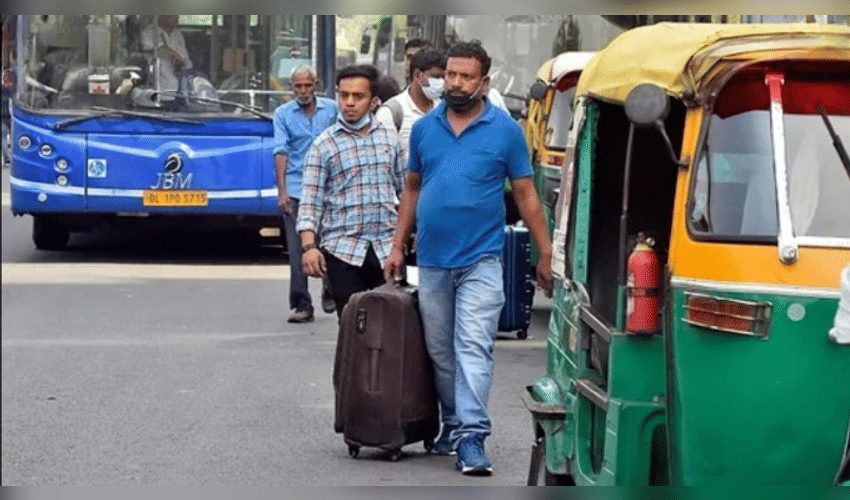

Daily commuters across Delhi-NCR faced major travel disruptions on Thursday as a large-scale strike by cab drivers, auto-rickshaw operators, and commercial transport unions began across the region. The three-day protest, backed by more than 68 unions, affected transport services in Delhi, Noida, Gurugram, Ghaziabad, and nearby areas. The strike was called by transport groups demanding higher fares, reduced platform commissions, and better working conditions for drivers associated with app-based cab services and commercial vehicles.
Long waiting times and ride cancellations were reported in several parts of the NCR during morning office hours. Many commuters also complained of surge pricing on app-based cab platforms as the number of available vehicles dropped sharply. According to union representatives, drivers have been struggling with rising fuel costs, vehicle maintenance expenses, loan repayments, and decreasing earnings. Protesters claimed that fare structures have not been revised for years despite a continuous increase in petrol, diesel, and CNG prices.
Several driver groups also raised concerns over the policies followed by ride-hailing platforms, alleging that high commission charges and incentive-based systems are reducing drivers’ daily income. The protest has additionally focused on recent increases in environmental and commercial vehicle-related charges imposed on transport operators entering Delhi. Union leaders said these additional expenses are putting financial pressure on drivers and small transport owners.
Areas near metro stations, railway stations, office hubs, and markets witnessed heavy crowds as commuters searched for alternative transport options. Delhi Metro and DTC buses continued operations, though passenger load increased significantly during peak hours. While most major unions supported the agitation, some auto-rickshaw associations reportedly stayed away from the strike, leading to partial service availability in a few areas. Transport unions have warned that the protest could intensify if their demands are not addressed by the government and app-based mobility companies. They are seeking discussions on fare revision, regulation of aggregator platforms, and relief measures for commercial drivers.
The strike has once again brought attention to the challenges faced by gig workers in India’s growing app-based transport sector. Industry observers say the ongoing protest reflects rising tension between drivers and digital mobility platforms over earnings, commissions, and long-term sustainability of the business model. Authorities have advised commuters to use public transport wherever possible until the situation normalizes.
Disclaimer: This image is taken from



