



Technology
Cosmoserve to Showcase World's First Soft Robotic Satellite Capture on Vikram-1
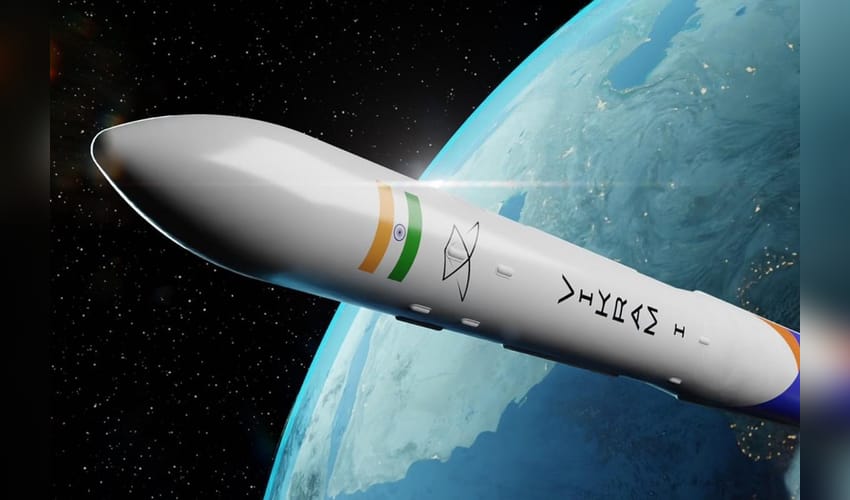

India's rapidly growing private space sector is preparing for another landmark moment as Hyderabad-based startup Cosmoserve Space gears up to demonstrate what it describes as the world's first in-orbit soft robotic satellite capture technology. The demonstration, named Mission Embrace, is scheduled to fly aboard Skyroot Aerospace's Vikram-1 rocket during its maiden orbital mission, marking an important step toward solving one of the biggest challenges facing modern space operations—orbital debris. The launch is expected to take place within the approved launch window between July 12 and August 4.
Space around Earth is becoming increasingly crowded. Thousands of inactive satellites, discarded rocket components, and debris fragments continue to orbit the planet at extremely high speeds. Even relatively small pieces of debris can damage operational satellites or spacecraft, making space traffic management and debris removal a growing priority for governments and commercial operators alike. As satellite constellations continue to expand, experts believe active debris removal technologies will play a critical role in ensuring the long-term sustainability of space activities.
Mission Embrace is designed to test a soft robotic capture mechanism capable of gently gripping non-cooperative objects already in orbit, such as defunct satellites. Unlike rigid robotic systems that require highly controlled conditions, a soft robotic approach is intended to adapt to different shapes and surfaces while reducing the risk of damage during capture. If successful, the technology could pave the way for future missions focused on repairing, servicing, relocating, or safely deorbiting inactive spacecraft.
According to Cosmoserve Space, the demonstration represents the first phase of a broader plan to build affordable Active Debris Removal (ADR) systems. The company is developing a dual-spacecraft architecture in which a servicing satellite would rendezvous with a target object, secure it using the soft robotic mechanism, and then guide it toward a controlled disposal orbit or another designated location. Such systems could significantly reduce collision risks while extending the usable life of Earth's orbital environment.
One of the most remarkable aspects of Mission Embrace is the speed of its development. Cosmoserve says the technology progressed from concept to flight-ready hardware in just four months despite the company itself being less than a year old. The startup also noted that the project underwent multiple independent engineering and design reviews involving experienced space professionals before being cleared for launch, highlighting the rigorous validation process required for orbital missions.
The mission also showcases the growing strength of India's commercial space ecosystem. Vikram-1, developed by Skyroot Aerospace, is India's first privately built orbital launch vehicle and is expected to carry several technology demonstrations and commercial payloads from domestic and international customers. Beyond validating the rocket's performance, the mission reflects how Indian startups are increasingly contributing to advanced space technologies ranging from launch services to satellite innovation and in-orbit robotics.
The importance of debris-removal technology extends well beyond today's missions. With thousands of new satellites expected to be launched over the coming decade, orbital congestion is likely to become an even greater challenge. International space agencies and private companies are investing heavily in technologies such as robotic servicing, autonomous docking, debris tracking, and satellite life-extension to keep valuable orbital pathways safe and operational. A successful demonstration by Cosmoserve could position India among the pioneers in this emerging field.
While Mission Embrace is primarily a technology demonstrator, its long-term implications are significant. Beyond removing space debris, similar robotic systems could eventually support satellite maintenance, on-orbit assembly of large structures, spacecraft inspection, and future deep-space exploration missions. As space becomes more commercially active, technologies that enable safe and sustainable orbital operations are expected to become indispensable.
If the mission achieves its objectives, it will not only represent a technological milestone for Cosmoserve Space but also reinforce India's growing reputation as an innovator in commercial space technology. More importantly, it will demonstrate that Indian startups are capable of developing sophisticated solutions to some of the most pressing challenges facing the global space industry, helping create a cleaner, safer, and more sustainable environment for future space exploration.
Disclaimer: This image is taken from ddindia



