



Asia In News
Concerns grow over public health risks from poor medical waste management in Pakistan
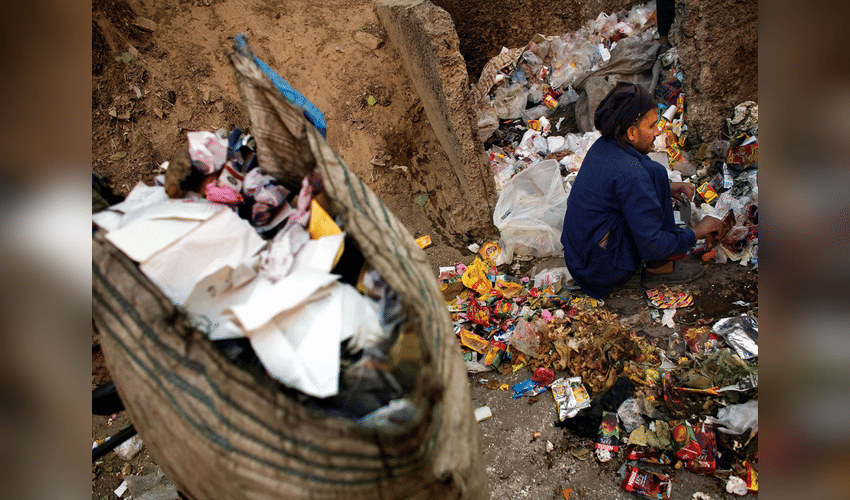

Hospitals across Pakistan are reportedly under increased scrutiny due to concerns about the unsafe handling and disposal of medical waste, a situation experts warn could pose serious risks to public health and the environment. As highlighted by The Express Tribune, waste generated in areas such as operating rooms, emergency units, and diagnostic laboratories is allegedly being found outside hospital premises, where it may enter informal and unregulated recycling networks.
Medical waste typically includes hazardous materials like used syringes, needles, blood-soaked dressings, IV sets, surgical gloves, expired medicines, and plastic tubing. These are classified as infectious waste under health regulations and are supposed to be carefully separated at the source and disposed of through controlled processes such as incineration or high-temperature sterilization.
However, reports suggest that in several cities including Lahore, Faisalabad, Rawalpindi, Chakwal, Gujrat, Bahawalpur, Narowal, Gujranwala, and Sialkot, proper waste management systems are not consistently being followed. In some cases, medical waste is allegedly mixed with general garbage and transported to municipal dumping sites or open disposal areas.
According to the report, this mismanagement allows informal waste collectors to access discarded hospital materials. Items such as saline bottles, syringes, drip sets, and other plastic medical components are reportedly recovered, sold to scrap dealers, and then sent to recycling units. There, they are cleaned, melted, and repurposed into inexpensive plastic goods like buckets, containers, cups, and toys.
Health experts have expressed concern over this practice. Punjab University professor Munawar Sabir told The Express Tribune that medical plastics may still carry harmful biological residues, including traces of blood and pharmaceutical chemicals. He warned that exposure to such contaminants, along with toxic plastic additives, could pose long-term health risks for both recycling workers and consumers.
Public health specialists have also emphasized the dangers of improperly discarded sharps such as needles and syringes, noting that poor handling of such waste increases the risk of spreading blood-borne infections like hepatitis B and hepatitis C. They have called for stricter enforcement of medical waste disposal rules to reduce these risks.



