



Economy
BoB report warns that fuel price changes and weather risks could push inflation higher.
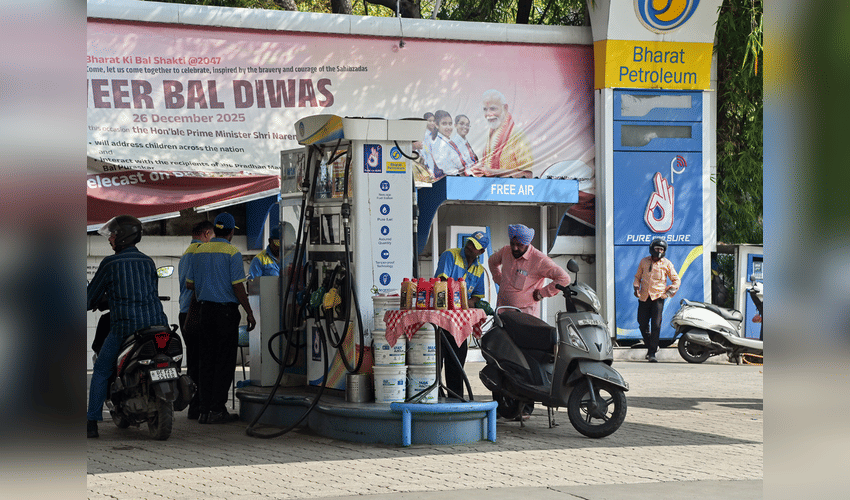

A recent report by Bank of Baroda has warned that the impact of rising fuel prices on consumers should be carefully watched, especially as unpredictable weather conditions may add further pressure on inflation during FY27. Despite ongoing geopolitical tensions and uncertainty in global markets, India’s retail inflation based on the Consumer Price Index (CPI) remained below the Reserve Bank of India’s 4 per cent target in April 2026. However, the report noted that inflationary concerns are gradually increasing, particularly in the food segment.
According to the report, higher global energy prices are creating upward pressure on food costs worldwide, which could eventually affect domestic inflation as well. It emphasized that the transmission of higher fuel costs into everyday consumer prices needs close monitoring, especially when weather-related disruptions are already posing risks to inflation.
Food categories such as vegetables, pulses, edible oils, and protein-rich items were identified as the key contributors to rising price pressures. The report further highlighted that extreme weather conditions, including heatwaves and the possibility of an El Nino event, could negatively impact agricultural production and push food prices even higher in the coming months.
Bank of Baroda also stated that the overall core inflation situation remains relatively stable for now, as demand-side pressures are still under control. Softer gold prices have also helped contain core inflation to some extent. However, sectors like restaurants and hospitality may continue to experience moderate price increases.
The bank’s internal Economic Consumption Index (BoB ECI) indicated a 1 per cent year-on-year rise in May 2026 based on data available until May 11, suggesting a gradual improvement in consumption activity. The report concluded that inflation risks continue to lean upward unless global conflict situations ease significantly. While India has so far managed to avoid major inflation shocks, policymakers are expected to remain cautious due to rising energy costs and ongoing weather-related uncertainties.
Disclaimer: This image is taken from ANI.



