



World
At just 17, Mojtaba Khamenei forged alliances that ultimately contributed to his rise as Iran's Supreme Leader.
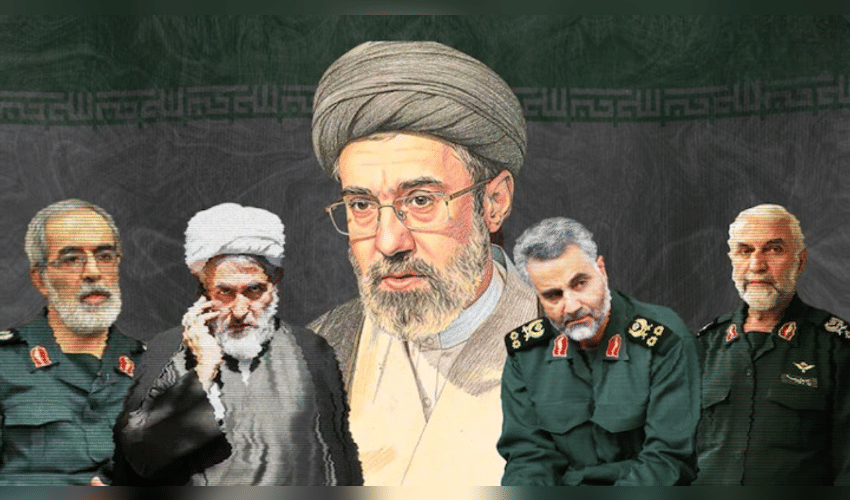

In a stunning turn echoing the revolutionary zeal of 1979, Mojtaba Khamenei, son of the late Ayatollah Ali Khamenei, has ascended to Iran's Supreme Leader just weeks after his father's assassination amid escalating U.S.-Israeli strikes. What many overlook in this dynastic shift is a pivotal detail: at just 17, during the grueling Iran-Iraq War, Mojtaba laid the groundwork for a loyalist network that propelled him to power.
Back in 1986, as bombs fell and trenches filled with young fighters, teenage Mojtaba volunteered for a frontline battalion. With his father then serving as Iran's president, he wasn't merely a soldier—he forged unbreakable bonds with comrades who later climbed the ranks of the Revolutionary Guard Corps (IRGC). These allies, now entrenched in security and intelligence, formed the backbone of his influence, operating like a shadow cabinet for decades.
Born in 1969 in Mashhad, Mojtaba pursued religious studies in Qom after elite schooling in Tehran, rising to the clerical rank of Hujjat al-Islam. Unlike public figures, he thrived behind the scenes, reportedly vetting key appointments and controlling access to his father, as noted in past diplomatic leaks. On March 8, following Ali Khamenei's death on February 28, the Assembly of Experts swiftly endorsed him—marking a rare generational handoff.
Experts see continuity in hardline policies, with Mojtaba's IRGC ties signaling intensified proxy operations and nuclear defiance amid sanctions. "This teenage battalion network underscores how personal loyalty trumps public mandate in Tehran," one analyst remarked, drawing parallels to his father's rapid 1989 rise. As Iran braces for more conflict, the world watches this quiet architect redefine the Islamic Republic.



