



Economy
Analysts warn that India faces significant risk from extended disruptions in West Asian oil supplies.
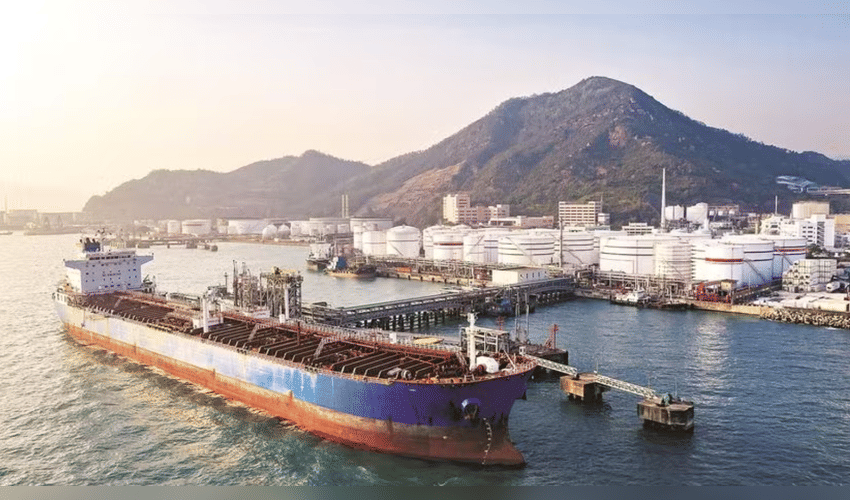

India, one of the world’s fastest-growing oil consumers, could be the most exposed to crude supply disruptions if the West Asia conflict leads to prolonged shipment interruptions, analysts say. While both China and India import roughly half of their crude from the region, India holds significantly smaller reserves and has become more reliant on West Asian supplies over the past three years.
Ajay Parmar of ICIS noted that China maintains at least six months of crude in storage, whereas India’s inventories are considerably lower, leaving it more vulnerable in the current situation. The concerns stem from escalating tensions following Israeli and US strikes on Iran, which have intensified regional conflict and effectively shut the Strait of Hormuz — a vital passageway for about 20 percent of global oil shipments. Brent crude prices surged around 7 percent on Monday, with fears that a prolonged conflict could push fuel costs even higher.
As of January, West Asia supplied about 55 percent of India’s crude imports, totaling roughly 2.74 million barrels per day — the highest level since late 2022, after refiners reduced purchases of Russian oil amid US pressure. Oil Minister Hardeep Singh Puri recently stated that India has storage capacity for around 74 days of crude and fuel. However, refining sources suggest current inventories may cover only 20 to 25 days.
If supplies tighten, India may need to secure oil from alternative sources. The federal oil ministry has pledged to take necessary steps to maintain fuel availability at reasonable prices. US officials have not clarified whether India would be allowed to resume Russian oil purchases without facing tariffs. Secretary of State Marco Rubio said further measures to address rising energy prices would be announced by the Treasury and Energy departments.
Across Asia, countries heavily depend on West Asian exports. Japan and South Korea source about 95 percent and 70 percent of their oil from the region, respectively, but both maintain far larger reserves. Japan’s stockpiles cover approximately 254 days of consumption, while South Korea’s reserves can last around 208 days. Although Europe and the United States are less reliant on West Asian crude, they would still experience higher global prices if disruptions through the Strait of Hormuz persist. Analysts warn that a prolonged closure would intensify global competition for limited oil supplies.
Europe could also face challenges securing jet fuel, as the Gulf region accounts for about 45 percent of its seaborne jet fuel imports. The United States, now the world’s largest oil and gas producer, has reduced its dependence on West Asian oil in recent years, importing less than 900,000 barrels per day from Gulf nations last year. While Washington is not currently considering releasing oil from its Strategic Petroleum Reserve, previous administrations have done so during major conflicts.



