



World
US Launches Large-Scale Strikes on More Than 80 Iranian Targets as Tehran Vows Retaliation.
Published On Wed, 08 Jul 2026
Fatima Hasan
8 Views
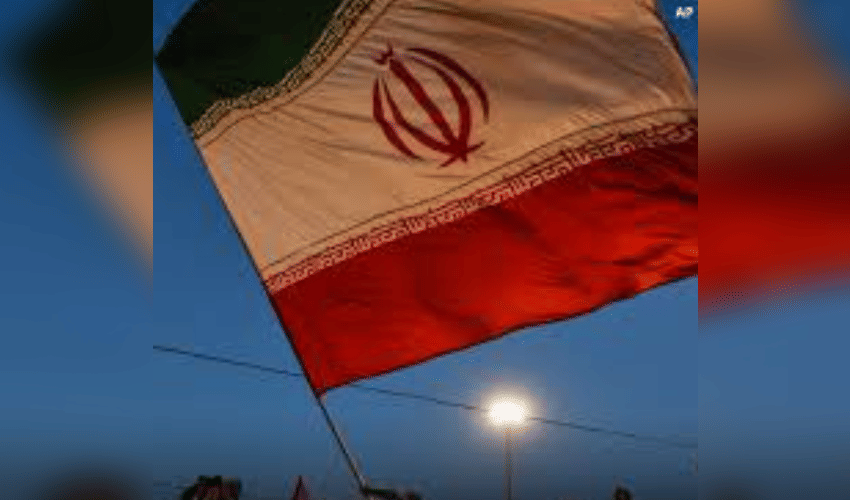

The United States has carried out one of its largest military operations in the recent phase of the conflict with Iran, targeting more than 80 military sites in a coordinated wave of airstrikes. American officials described the operation as significantly larger than previous attacks, saying the latest campaign was four to five times broader in scale and aimed at weakening Irans military capabilities in the strategically important Strait of Hormuz region.
According to U.S. military officials, the strikes focused on air defense systems, command-and-control centers, coastal radar facilities, anti-ship missile positions, and dozens of vessels linked to Irans Islamic Revolutionary Guard Corps (IRGC). Washington said the operation was launched in response to attacks on commercial shipping in the Strait of Hormuz, one of the worlds most critical energy transit routes.
Iran strongly condemned the strikes, calling them an act of aggression and warning that it would respond decisively. Senior Iranian military leaders accused the United States of violating previous understandings aimed at reducing tensions and vowed that any further military action would be met with a firm response.
Why the Strait of Hormuz Matters
The latest confrontation has once again placed the Strait of Hormuz at the center of global attention. Nearly a fifth of the worlds oil supplies pass through this narrow waterway, making it one of the most strategically significant maritime corridors on the planet. Any disruption to shipping in the area can quickly affect global energy markets, increase fuel prices, and raise concerns among governments and businesses worldwide.
Recent attacks on commercial vessels heightened fears over the security of international shipping, prompting the United States to intensify its military response. Washington maintains that its objective is to protect freedom of navigation and reduce threats to maritime trade.
Regional Tensions Continue to Rise
The exchange of military action has added fresh uncertainty to an already fragile security situation in the Middle East. Analysts warn that continued retaliation from either side could increase the risk of a broader regional conflict involving neighboring countries and key international allies.
Several governments have urged restraint, emphasizing the importance of diplomatic engagement to prevent further escalation. Meanwhile, global financial markets are closely monitoring developments, with investors watching for any impact on energy supplies and international trade.
What Happens Next?
While U.S. officials say the strikes were intended to reduce Irans ability to threaten international shipping, Tehran has indicated that it considers the attacks a serious escalation. Whether both sides return to negotiations or continue exchanging military actions will likely determine the direction of the crisis in the coming days.
For now, security experts expect heightened military readiness across the Gulf region, with naval forces remaining on alert and commercial shipping companies reassessing routes through the Strait of Hormuz. The evolving situation is also expected to keep global oil markets volatile until there is greater clarity on the security outlook.
As the confrontation unfolds, the international community continues to call for restraint, warning that prolonged instability in one of the worlds most important energy corridors could have far-reaching economic and geopolitical consequences.
Disclaimer: This image is taken from India News.



