



World
US-Iran Talks Edge Forward in Geneva as Fighter Jets Flood Middle East
Published On Wed, 18 Feb 2026
Fatima Hasan
5 Views
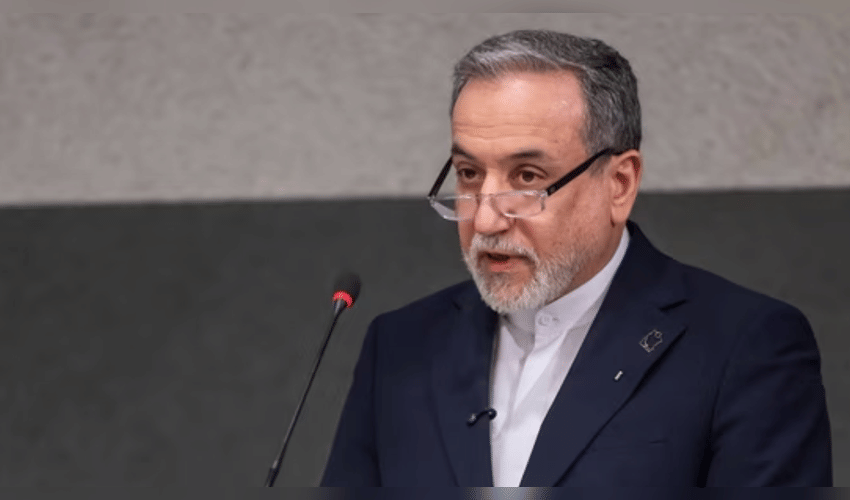

In a glimmer of hope amid long-standing animosity, US and Iranian officials made tangible strides during indirect nuclear negotiations here on Tuesday, agreeing on foundational guidelines for future discussions. Yet, the diplomatic breakthrough comes against a tense backdrop, with the United States rapidly deploying over 50 advanced fighter jets across the Middle East, signaling that mistrust runs deep.
Irans Foreign Minister Abbas Araghchi hailed the roughly 3.5-hour session—brokered by Oman—as constructive and positive, marking progress from earlier rounds and paving the way for Tehran to submit formal proposals within two weeks. A US representative described the outcome as meeting expectations, while Omani Foreign Minister Badr Albusaidi emphasized mutual commitment despite lingering divides on issues like UN-monitored nuclear limits.
These talks revive echoes of the 2015 nuclear accord, which President Donald Trump abandoned in his first term; now back in office, hes drawn red lines demanding Irans full compliance or risk military action. Vice President JD Vance, appearing on FOX News, noted the meetings justified follow-ups but underscored vast gaps in curbing Tehrans nuclear ambitions.
Parallel to the diplomacy, the Pentagon surged more than 50 F-35s, F-22s, and F-16s to regional bases in a 24-hour window, alongside the USS Gerald R. Ford carrier strike group—moves tracked by flight data and confirmed by defense sources. Iran responded in kind, staging naval exercises that temporarily restricted the Strait of Hormuz, a vital artery carrying one-fifth of global oil. This saber-rattling mirrors historical patterns, such as the 2020 tensions following the killing of General Qassem Soleimani, where shows of force often reinforced negotiating leverage without tipping into open conflict.
The Geneva progress averts short-term escalation but leaves core disputes unresolved, from enrichment caps to sanctions relief. A deal could steady volatile oil prices and reassure US allies like Israel and Saudi Arabia; breakdown risks proxy flare-ups across Yemen, Lebanon, and beyond. As Iran prepares its counter-proposals, all eyes remain on whether these guiding principles foster a lasting pact or merely delay the next crisis in this enduring US-Iran shadow war.
Disclaimer: This image is taken from Hindustan Times.