



World
US-Iran Reach Broad 14-Point Understanding, Lebanon Truce and Strait of Hormuz Reopening Among Key Provisions
Published On Wed, 17 Jun 2026
Fatima Hasan
13 Views
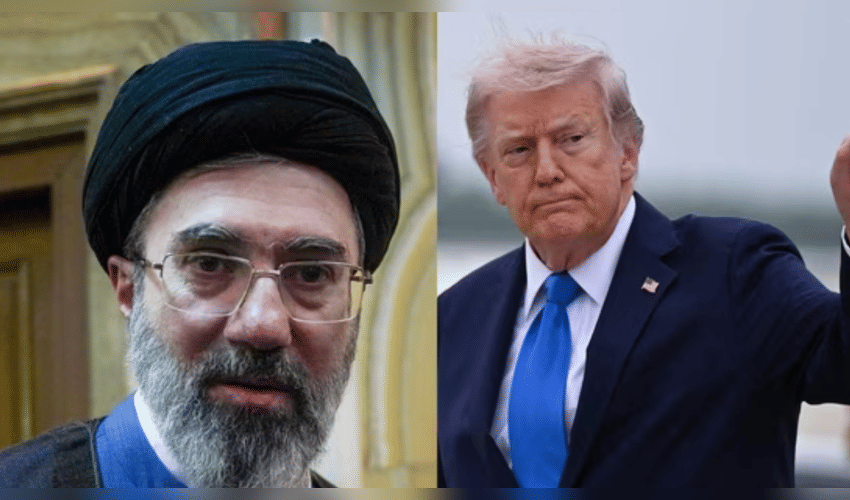

The United States and Iran have reportedly moved closer to easing regional tensions through a proposed 14-point framework that includes a ceasefire in Lebanon, the reopening of the Strait of Hormuz, and a series of diplomatic and economic measures aimed at preventing further escalation in the Middle East. According to reports, the proposed arrangement seeks to reduce military tensions across the region while creating a pathway for future negotiations on more complex issues, including sanctions and Irans nuclear activities.
One of the most significant aspects of the framework is the reopening of the Strait of Hormuz, a critical maritime route through which a large share of the worlds oil exports passes. The move is expected to ease concerns over global energy supplies and reduce pressure on international oil markets, which have experienced volatility amid recent regional tensions. The reported deal also includes efforts to establish a truce in Lebanon, where cross-border hostilities and security concerns have contributed to instability. Diplomats view the ceasefire provision as an important step toward preventing a wider regional conflict.
Sources familiar with the discussions indicate that the framework contains measures designed to restore confidence between both sides. These include commitments related to maritime security, de-escalation of military activities, and mechanisms for continued diplomatic engagement. Economic provisions are also believed to form part of the proposal. These may include limited sanctions relief and measures intended to support economic stability while negotiations continue. Analysts say such incentives could encourage both sides to maintain the diplomatic process and avoid renewed confrontation.
Despite the progress, major challenges remain. Questions surrounding Irans nuclear programme are expected to be addressed in future rounds of negotiations rather than under the current framework. Officials from both sides are reportedly focusing first on reducing immediate tensions before tackling long-term strategic disputes. The development has drawn attention from governments and markets worldwide. Energy-importing nations are closely monitoring the situation, as any lasting agreement could improve supply security and stabilize global oil prices.
Regional observers have welcomed the reported progress but caution that the success of the framework will depend on its implementation. Past efforts to ease tensions between Washington and Tehran have faced setbacks due to political disagreements and security concerns. The proposed 14-point understanding is being viewed as a significant diplomatic breakthrough that could help lower tensions across the Middle East and create conditions for broader negotiations in the months ahead. More details regarding the framework and its implementation timeline are expected to emerge as discussions continue.
Disclaimer: This image is taken from Hindustan Times.



