



Asia In News
US-Iran Peace Talks Collapse in Pakistan: Iran Blasts Trump Over Obama's Nuclear Deal Legacy
Published On Tue, 14 Apr 2026
Fatima Hasan
14 Views
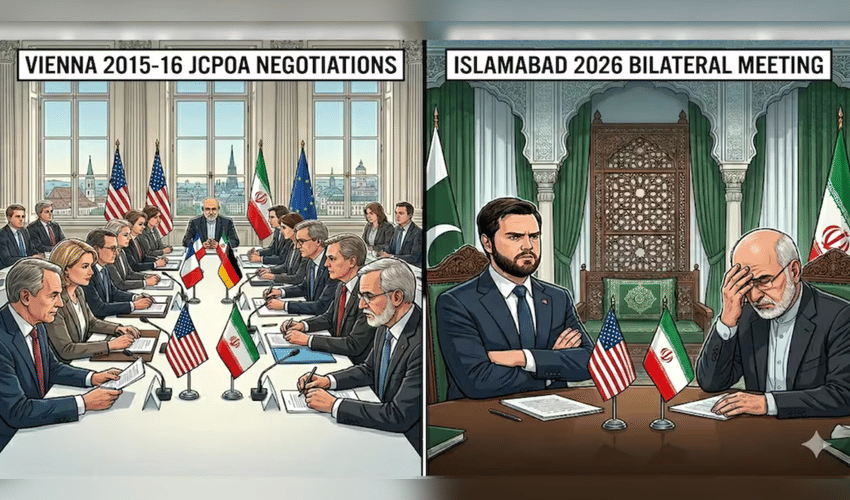

High-stakes negotiations between the United States and Iran in Pakistan ended in deadlock yesterday, with marathon sessions yielding no agreement and reigniting bitter memories of the Obama-era nuclear deal. The talks, hosted in Islamabad under tight security, dragged on for over 21 hours but crumbled over irreconcilable demands. US Vice President JD Vance led the American delegation, insisting Iran fully dismantle its nuclear program and ballistic missiles amid accusations of weapon-grade uranium enrichment nearing 60% purity. Iranian negotiators, however, dismissed these as civilian efforts and rejected unrestricted inspections as an infringement on sovereignty.
In the fallout, Tehran took sharp aim at President Donald Trump, blaming his 2018 withdrawal from the 2015 Joint Comprehensive Plan of Action (JCPOA)—often called Obamas nuke deal—for shattering trust. Iranian officials argued the pact, which limited enrichment to 3.67% and stockpiles to 300kg under IAEA oversight, had worked until US sanctions forced their hand, ballooning reserves to over 440kg. Trumps team countered that Irans post-deal advances prove the original agreement was flawed, framing the impasse as Tehrans refusal of a final offer. The verbal sparring underscores a deeper diplomatic rift: broken promises from one era now poison the next.
Pakistans leadership, including Prime Minister Shehbaz Sharif and Army Chief Asim Munir, played neutral host despite regional pressures. Theyre now floating a second round before the fragile ceasefire expires around April 22, hoping to avert escalation in a conflict that already involves proxy fights and Strait of Hormuz tensions—where Iran floated tolls on the vital 20% global oil artery. This mediation bid mirrors Pakistans past role in Afghan talks, but stakes are higher: failure could trigger oil price surges, economic shocks from India to Europe, and renewed drone skirmishes.
With no deal in sight, eyes turn to backchannels. History suggests these breakdowns often precede quiet breakthroughs, but the Obama deals shadow warns against repeating past mistakes. World markets brace for volatility, as any Hormuz blockade echoes the 1979 crisis on steroids. Stay tuned—diplomacys next move could reshape Middle East fault lines.
Disclaimer: This image is taken from NDTV.



