



Asia In News
US-Iran Peace Talks Begin in Islamabad: Key Players at the Table, Major Absences Noted
Published On Fri, 10 Apr 2026
Fatima Hasan
3 Views

High‑level indirect peace negotiations between the United States and Iran opened in Islamabad on Saturday, with Pakistan hosting what could be one of the most delicate diplomatic efforts in the Middle East this year. The talks come nearly two weeks after Tehran and Washington agreed to a temporary ceasefire and are being held under the patronage of Prime Minister Shehbaz Sharif’s government. The main objective is to convert the short‑term truce into a more durable de‑escalation framework.
The US side is represented by Vice President JD Vance, underscoring the administration’s view of the dialogue as a top‑tier priority. Vance is accompanied by Steve Witkoff, a central figure in President Donald Trump’s West Asia policy, and senior adviser Jared Kushner, both of whom have long been involved in back‑channel communications with Iran. Trump himself is not traveling to Islamabad and will instead follow the negotiations from Washington, relying on this team to manage the immediate process.
On the Iranian side, the delegation is led by Parliament Speaker Mohammad Baqer Ghalibaf, a former Revolutionary Guards commander whose presence signals the importance Tehran places on security guarantees. He is joined by Foreign Minister Abbas Araghchi, who has been at the forefront of Iran’s recent diplomatic outreach and formally accepted the two‑week ceasefire on behalf of the government. President Masoud Pezeshkian has publicly backed the talks but is not attending in person, leaving the negotiating weight to the parliamentary and foreign‑policy leadership.
Pakistan has invited both delegations under the banner of regional stability, with Prime Minister Shehbaz Sharif expected to open the process and hold separate preliminary meetings with the US and Iranian teams. Senior Pakistani officials present include Deputy Prime Minister and Foreign Minister Ishaq Dar, National Security Adviser Lt Gen Asim Malik, and possibly Army Chief Syed Asim Munir, although the exact level of military‑side participation has not been fully confirmed. The structure of the talks is described as “proximity” negotiations, with the US and Iranian teams sitting in separate rooms and Pakistani facilitators shuttling between them. This format reflects the deep mutual distrust and also allows Islamabad to position itself as more than just a neutral venue and closer to an active mediator.
The attendance list also reveals notable absences. Tehran has not confirmed whether any senior commanders from the Islamic Revolutionary Guard Corps (IRGC) will attend, despite the fact that the IRGC plays a central role in Iran’s military posture and regional operations. Iranian officials have expressed skepticism toward Witkoff and Kushner, citing US air strikes during earlier contacts in Muscat and Geneva, and say they are placing more trust in Vance’s direct involvement. On the American side, President Trump has decided against traveling to Islamabad, suggesting that his team is cautious about the optics and potential risks of a high‑profile summit while hostilities are still simmering. Iranian President Pezeshkian also remains in Tehran, where he has signaled political support for the talks but has chosen not to enter the room himself.
Behind the question of who is in the room is the tougher question of what each side wants. Iran has put forward a 10‑point proposal that includes demands on security guarantees, sanctions relief, and influence over key regional chokepoints. The US, meanwhile, is pushing for a verifiable ceasefire and a framework that limits Iran’s ability to expand its military footprint while preserving American leverage in the region. The talks are also a strategic branding exercise. By hosting a high‑visibility dialogue between two of the Middle East’s most entrenched rivals, Islamabad aims to recast itself as a credible peace broker and to soften external pressure at a time of economic strain and internal security challenges. Whether the Islamabad talks produce a real breakthrough or simply a calibrated extension of the current ceasefire will become clearer in the coming days. For now, the mix of who is at the table—and who is staying away—offers a telling preview of the delicate balance Washington, Tehran, and Islamabad are trying to strike.
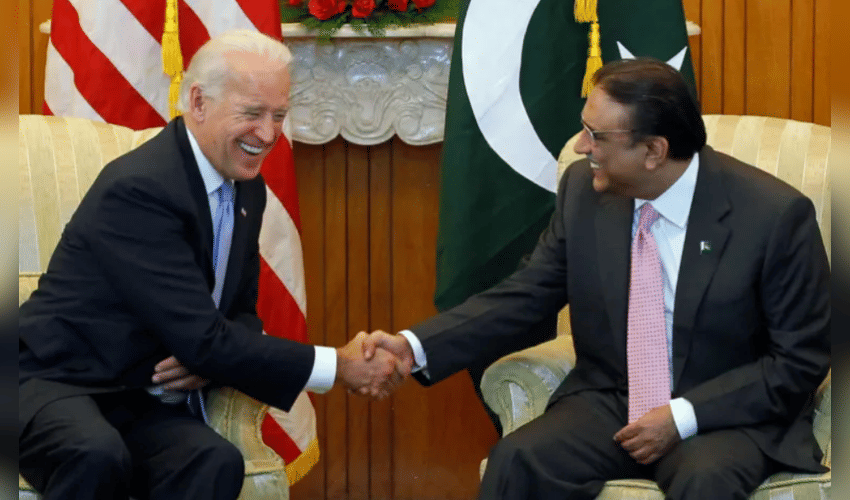
Disclaimer: This image is taken from Al Jazeera.



