



World
US Forces Intercept Iranian Missile Aimed at Troops; Saudi Arabia Downs Drones
Published On Wed, 29 Jul 2026
Fatima Hasan
9 Views

A fragile pause in hostilities between the United States and Iran came to an abrupt end on Tuesday after Tehran launched multiple ballistic missiles targeting American military forces in West Asia. The renewed attack interrupted ongoing diplomatic efforts aimed at bringing both sides back to the negotiating table and reviving hopes for a ceasefire. According to the US Central Command (CENTCOM), all of the incoming Iranian missiles were successfully intercepted before reaching their intended targets. In an official statement, the military said American forces remain on high alert and are prepared to respond to any further escalation in the region.
The missile barrage followed several days of relative calm after weeks of confrontation centred around the Strait of Hormuz, one of the worlds most strategically important maritime routes. The narrow waterway carries nearly 20% of global oil shipments, making stability in the area crucial for international energy markets. During the early stages of the conflict, Iran disrupted shipping through the Strait of Hormuz by targeting commercial vessels and issuing threats against tankers operating near its coastline. After an interim ceasefire agreement was reached in June, disputes shifted toward control of the vital sea lane. Tehran insisted that vessels use routes closer to Iranian waters and hinted at imposing transit charges, while many shipping companies instead opted for a southern passage near Oman under the protection of US naval forces. Iran subsequently targeted several ships using that route, adding to regional tensions.
At the same time, Saudi Arabia reported another wave of drone attacks aimed at its energy infrastructure. The kingdoms Defence Ministry said its air defence systems intercepted and destroyed several drones before they could strike petroleum facilities in the eastern region. Saudi officials alleged that the drones were launched by Iran-backed militias operating from Iraq, marking the second consecutive day of similar attacks.
The accusations prompted Iraqi Prime Minister Ali al-Zaidi to order an investigation. Iraqs military reaffirmed that it would not allow its territory to be used as a base for attacks against neighbouring countries. However, Iran-backed armed groups denied any involvement. The Islamic Resistance in Iraq dismissed the Saudi allegations as false and suggested the attacks were instead carried out by Yemens Houthi rebels.
The Houthis, who are backed by Iran, also claimed responsibility for targeting the Saudi oil tanker NCC Ghazal. The group said the missile attack forced the vessel to change course, describing the operation as part of its recently announced blockade of Saudi shipping. The move has raised concerns over security in the Bab el-Mandeb Strait, another critical maritime corridor connecting the Red Sea to global trade routes. The United Kingdom Maritime Trade Operations (UKMTO) later confirmed that a tanker travelling through the southern Red Sea reported hearing nearby explosions. Although the organisation did not identify the vessel, it stated that both the ship and its crew remained unharmed. The Houthis had previously claimed attacks on Saudi tankers in the Red Sea during the past week.
Despite the temporary reduction in hostilities over the weekend, relations between Washington and Tehran remain tense. Iranian officials said earlier US airstrikes had caused significant damage to civilian infrastructure, including an airport, a marine control tower, a dozen bridges and two tunnels. The United States has maintained that its earlier strikes targeted military facilities in response to Iranian attacks on commercial shipping in the Strait of Hormuz. Tehran later retaliated by launching missile and drone attacks against countries hosting American military bases. The latest escalation coincided with Israeli Prime Minister Benjamin Netanyahus visit to Washington, where he met US President Donald Trump at the White House. According to US officials, the two leaders held a closed-door meeting lasting around 90 minutes, which was described as constructive and productive.
The talks come at a politically sensitive moment for both leaders. Netanyahu is facing increasing political pressure at home ahead of elections, while Trump is under growing scrutiny over the prolonged regional conflict and its economic impact, including rising energy prices and concerns about global stability. With missile attacks resuming, drone threats continuing and tensions around key shipping routes showing no signs of easing, hopes for a lasting ceasefire remain uncertain. Analysts warn that any further escalation could have significant consequences not only for regional security but also for international trade and global oil markets.
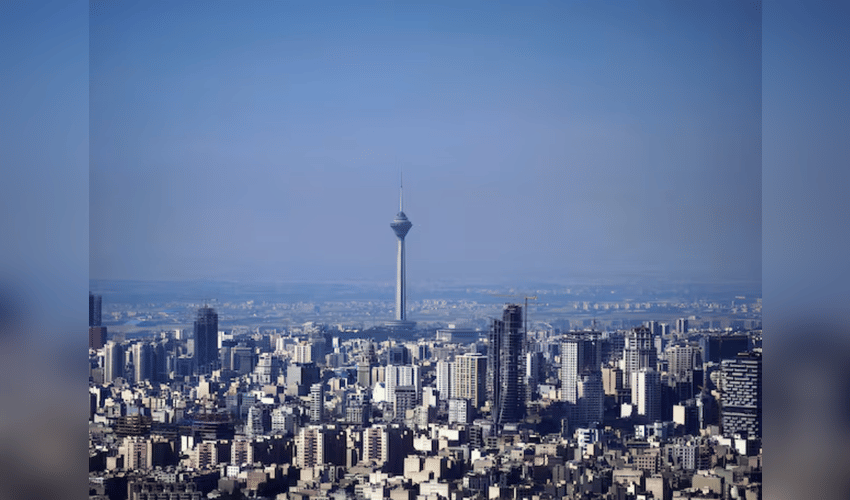
Disclaimer: This image is taken from Bloomberg.



