



World
US Embassy Warns H-1B, H-4 Visa Applicants: Stricter Online Vetting Triggers Major Interview Delays
Published On Tue, 23 Dec 2025
Fatima Hasan
0 Views
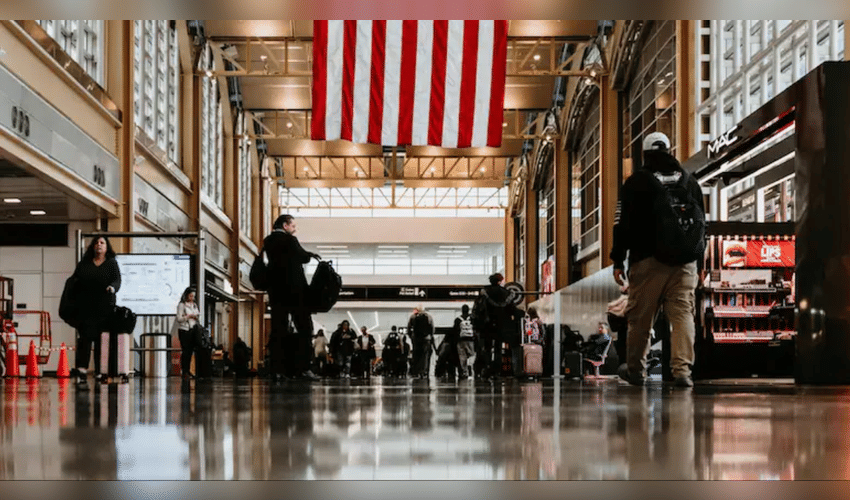

The US Embassy has issued a global warning to H-1B work visa and H-4 dependent visa applicants, cautioning that stricter online screening and widespread interview delays may disrupt travel and employment plans for thousands of professionals. Effective December 15, the new policy requires comprehensive social media checks for all applicants to curb misuse of the visa program. As a result, consulates worldwide, particularly in India, are experiencing heavy backlogs and mass interview cancellations, with many appointments pushed several months ahead.
US consulates have intensified scrutiny of applicants’ digital histories in response to growing concerns about fake job offers and unqualified candidates entering under the H-1B program. The policy applies uniformly across nationalities, but its impact is most pronounced in India, which accounts for over 70 percent of H-1B approvals each year. Many Indian applicants who traveled home for the holidays now find themselves stranded, with interviews originally scheduled for December deferred until as late as May 2026.
The delays are hitting Indian IT professionals especially hard, including employees of major firms such as Infosys, TCS, and global tech companies like Google and Microsoft, all of whom depend on timely visa stamping to return to their US roles. Several technology companies have issued internal advisories discouraging international travel, citing uncertainty around visa processing. The situation is further complicated by an increase in 221(g) administrative processing cases, adding to paperwork requirements and extending wait times under the Trump administration’s stricter immigration approach.
Visa experts recommend that applicants schedule appointments as early as possible through official US visa channels and ensure their social media profiles are clean, consistent, and appropriately private. Strong supporting documentation, including employer verification letters and recent salary slips, is also critical to avoid delays. While some applicants are considering visa stamping in other countries, such options are becoming increasingly limited, prompting employers to consider extended remote work arrangements as a temporary solution. The situation highlights the challenge facing the US as it attempts to strengthen immigration controls while continuing to meet the talent demands of its technology sector. Applicants are advised to stay alert to embassy announcements, as processing rules and timelines may continue to change.
Disclaimer: This image is taken from NDTV.



