



Economy
US Cuts Tariffs on Bangladesh to 19 percent, Zero Duties on Key Textiles in Fresh Trade Deal
Published On Tue, 10 Feb 2026
Fatima Hasan
2 Views
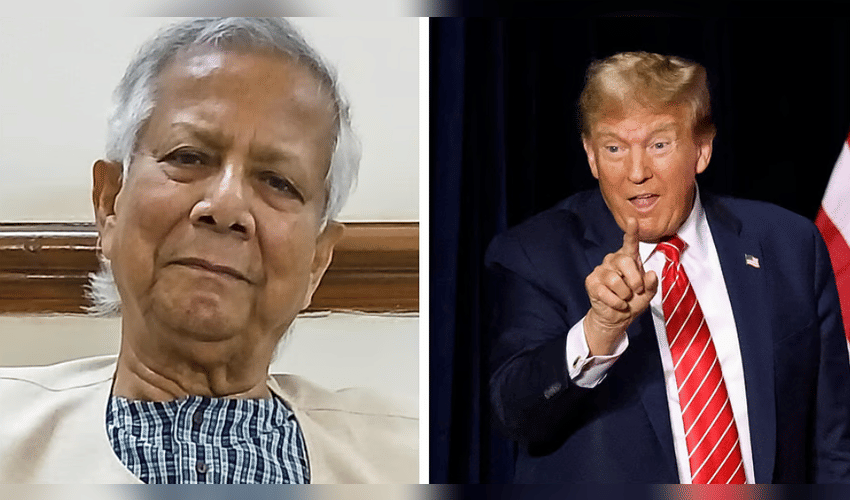

In a significant boost for bilateral trade, the United States has reduced tariffs on Bangladeshi imports from 20% to 19%, while offering zero-tariff entry for certain apparel and textiles made with American materials. The agreement, announced yesterday, marks a key step in ongoing negotiations under President Trumps reciprocal trade agenda.
The new framework lowers the blanket reciprocal tariff applied to most Bangladeshi goods, providing relief to exporters hit by last years hikes. Most notably, specified quotas of ready-made garments and fabrics—produced using US cotton, yarn, or synthetics—will now bypass duties entirely when entering the US market. Bangladesh, in exchange, commits to greater market access for American exports like soybeans, pharmaceuticals, chemicals, and auto parts. Dhaka also promises regulatory alignment, including faster approvals for US FDA-certified drugs and vehicle safety standards, plus stronger protections for labor rights and intellectual property.
This tweak could inject millions into Bangladeshs garment sector, which accounts for over 80% of its US-bound shipments. Exporters in Dhaka and Chattogram stand to gain from cheaper market entry, potentially spurring job growth amid global competition from Vietnam and India. The zero-tariff incentive cleverly ties benefits to US input purchases, benefiting American farmers—soy and cotton exports to Bangladesh are poised to rise. Its an evolution from the August 2025 cut to 20%, rewarding Dhakas diplomatic push.
US Trade Representative Jamieson Greer described the pact as reaching a historically new level of access, the first tailored deal of its kind in South Asia. Bangladeshs interim chief Muhammad Yunus welcomed it as vital support for the export economy. Implementation follows formal notifications, with quota details and timelines to be finalized soon. Analysts see this as pragmatic diplomacy, easing tensions while advancing supply chain resilience—no full FTA, but a solid interim win.
Disclaimer: This image is taken from Deccan Herald.



