



World
UK MPs' Curry Clash: Soggy Poppadums or Fine Tandoori in India Trade Deal Debate?
Published On Wed, 11 Feb 2026
Fatima Hasan
4 Views
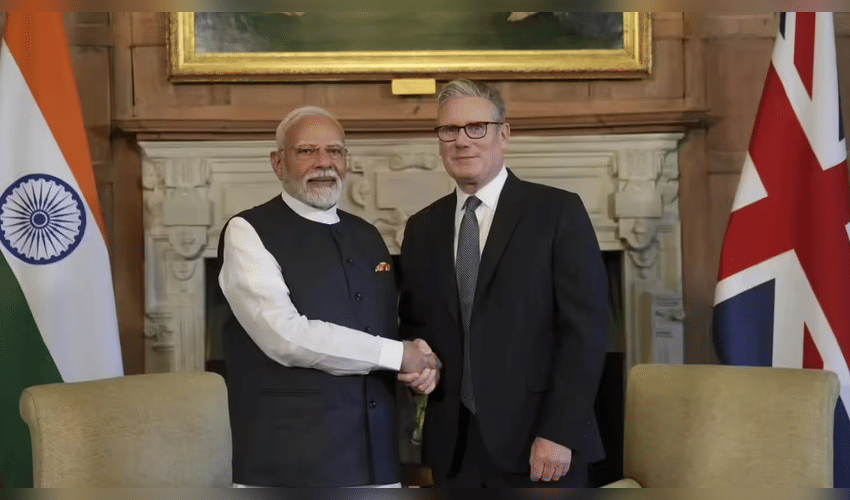

Parliament turned into a virtual curry house this week as British lawmakers dished out spicy metaphors while scrutinising the new UK-India Free Trade Agreement (FTA). During a lively House of Commons session on February 9, MPs traded barbs over whether the deal delivers a feast or just a soggy starter. Shadow Trade Secretary Andrew Griffith didnt hold back, likening the agreement to a bag of soggy poppadums instead of the fiery vindaloo British exporters crave. He zeroed in on sticking points like drawn-out tariff cuts for UK whisky—stretching five to ten years—while Indian goods get quicker breaks, and tight restrictions on services such as legal work.
Trade Minister Chris Bryant hit back with gusto, branding it a fine tandoori that has the thumbs-up from giants like HSBC, EY, and Revolut. He painted a bright picture of Indias market, set to boast over 250 million affluent consumers by 2050, handing UK firms a prime shot at explosive growth. The numbers paint an enticing spread: tariffs on 90% of UK exports drop from Indias hefty 15% average to just 3%, freeing up £400 million right away and £900 million after a decade, even before trade ramps up. Long-term forecasts promise a £4.8 billion GDP injection, £2.2 billion in higher wages, and bilateral trade swelling to £25.5 billion yearly by 2040. Whisky could surge 88% to £230 million, car parts 148% to £189 million, and cosmetics a whopping 364% to £400 million.
Not everyones raising a toast, though. Doubts linger over Indian workers dodging UK National Insurance for three years, risking local jobs, and the absence of a full investment treaty leaving British cash exposed. There were even offbeat worries about animal welfare—like prawns processed blindly in India clashing with UK norms—but Bryant vowed ramped-up inspections to keep standards intact.
As the UKs heftiest post-Brexit pact yet, topping the EUs own India deal, it cracks open £38 billion in Indian public contracts and sets tough benchmarks on labour rights, the environment, and graft—Indias most robust to date. With ratification on the horizon, these curry-flavoured clashes have spiced up trade talk, blending British humour with high-stakes economics. Whether it sizzles or flops, one things clear: this debate wont be forgotten in a hurry.
Disclaimer: This image is taken from Inkl.



