



World
Trump Imposes New Tariffs on China, Israel and Dozens of Other Nations; India Faces Lower 10 percent Levy
Published On Fri, 24 Jul 2026
Fatima Hasan
6 Views
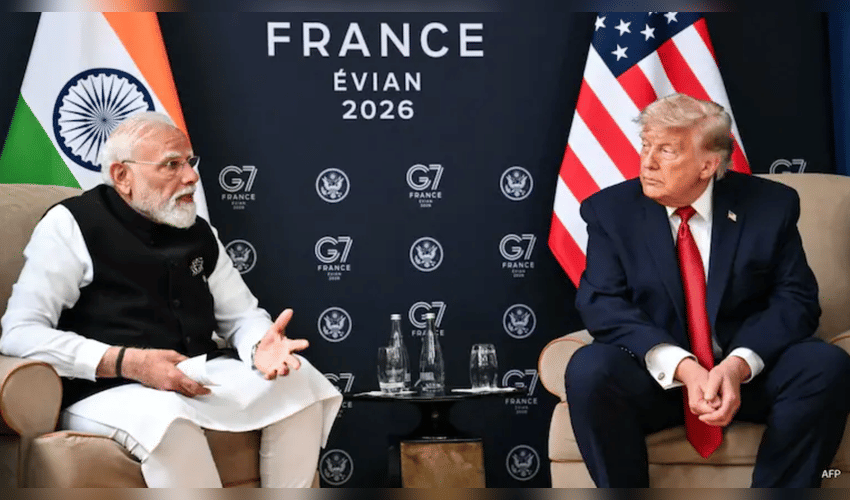

US President Donald Trump has unveiled a fresh tariff regime that places new import duties on goods arriving from more than 80 countries, with China and Israel among those facing a higher 12.5% tariff. India, however, has been assigned a comparatively lower tariff rate of 10%, a move that could provide its exporters with a modest competitive edge in the American market. The new tariff framework is part of the Trump administrations broader effort to reshape US trade policy by linking import duties to labour standards in global supply chains. According to the White House, countries that have taken stronger steps to curb forced labour and improve supply chain transparency have been placed in the lower tariff category, while those considered to have weaker enforcement measures are subject to the higher 12.5% rate.
For India, the announcement comes as a mixed outcome. Although Indian exports will now attract a 10% tariff, the country has avoided the steeper levy imposed on several other major trading partners. This difference could help Indian businesses remain more competitive in sectors where American buyers are looking for alternatives to higher-cost imports.
Chinas inclusion in the higher tariff bracket reflects the continuing trade friction between Washington and Beijing. Israel has also been placed in the same category under the revised framework despite its close strategic relationship with the United States. The tariffs are expected to cover nearly all imports entering the US, though a limited number of products—including certain energy supplies, food items, automobiles and critical minerals—have been excluded from the measure.
Unlike some of Trumps earlier tariff actions, which were challenged in US courts, the latest duties have been introduced under Section 301 of the US Trade Act of 1974. The administration argues that this legal route provides a stronger basis for addressing trade practices it considers harmful to American industries and workers. Trade experts believe the revised tariff structure could have a noticeable impact on global supply chains. Companies exporting to the United States may need to reassess pricing strategies, while multinational firms could consider shifting production to countries facing lower tariff rates. For India, industries such as textiles, engineering goods, chemicals, pharmaceuticals, gems and jewellery, and manufactured products are expected to closely monitor how the new duties affect demand in one of their largest export markets.
Economists have also cautioned that higher import tariffs often lead to increased costs for American businesses, with some of those expenses eventually being passed on to consumers through higher retail prices. At the same time, the Trump administration maintains that the policy is intended to encourage better labour practices globally while protecting domestic manufacturers from unfair competition.
The latest announcement signals another significant shift in US trade policy and is likely to prompt fresh negotiations between Washington and its trading partners. While India has escaped the higher tariff bracket, exporters will continue to watch developments closely as governments assess the economic impact of the new measures and explore possible responses.
Disclaimer: This image is taken from AFP.



