



World
Trump Credits China for Iran Ceasefire Breakthrough as Israel Signals Support
Published On Wed, 08 Apr 2026
Fatima Hasan
5 Views
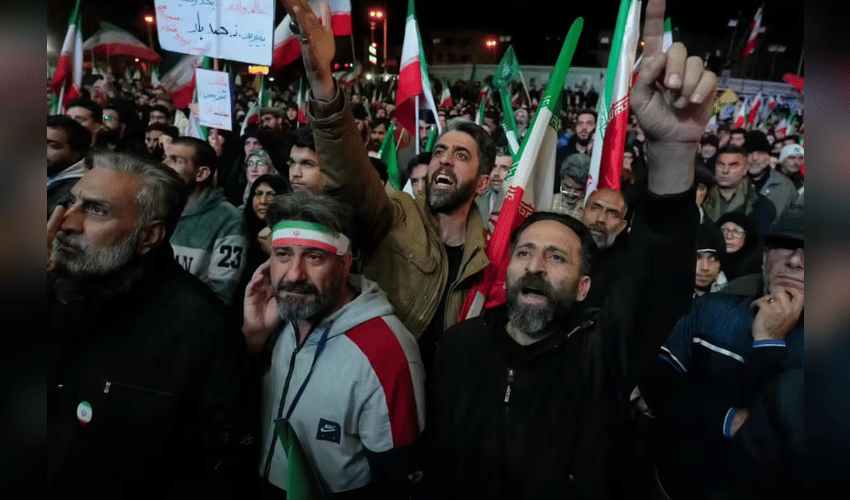

President Donald Trump announced a hard-fought two-week ceasefire in the US-Iran conflict, spotlighting Chinas pivotal role in swaying Tehran to the negotiating table. The deal, which also pauses Israeli strikes, kicks off today and aims to reopen the Strait of Hormuz for safe shipping, easing fears of prolonged global oil disruptions.
In a Truth Social post late yesterday, Trump said he accepted Irans 10-point proposal after Beijing delivered a final nudge to Iranian leaders. Pakistan is hosting upcoming talks in Islamabad, with the truce hinging on no new attacks from either side—Iran halts defensive measures, while US and Israeli forces stand down. This comes after weeks of intense US airstrikes on over 10,000 Iranian targets and Tehrans missile volleys toward Gulf allies. Irans Foreign Minister Abbas Araghchi called it a temporary de-escalation, but only if America holds back on threats to hit power plants and ports.
Trumps shift mirrors his past high-wire acts, like the 2019 drone incident where he aborted retaliatory strikes at the last minute. Analysts see this as classic Trump: threaten big, then pivot to deal-making for a win amid domestic pressures like rising gas prices back home. Israel, which joined US operations against Iranian assets, swiftly backed the pause, with officials noting key military goals were already achieved. Jerusalems nod underscores alliance unity, though Gulf nations like the UAE remain vigilant—scrambling jets to down post-announcement missiles.
Markets reacted positively overnight, with oil dipping 5% as the Hormuz strait—handling one-fifth of global crude—eyes normalization. Yet risks linger: failure in Pakistan could spark renewed escalation, hitting economies worldwide and deepening Irans humanitarian woes. Chinas quiet influence here marks a new layer in great-power maneuvering. As Tehrans largest oil customer, Beijing has skin in the game to prevent chaos in its energy supply lines—potentially reshaping US-led efforts in the region long-term.
Disclaimer: This image is taken from The Economic Times.



