



News
Shashi Tharoor has stated that the conflict in West Asia will impact the global economy, and India needs to diversify its energy sources.
Published On Fri, 20 Mar 2026
Fatima Hasan
7 Views
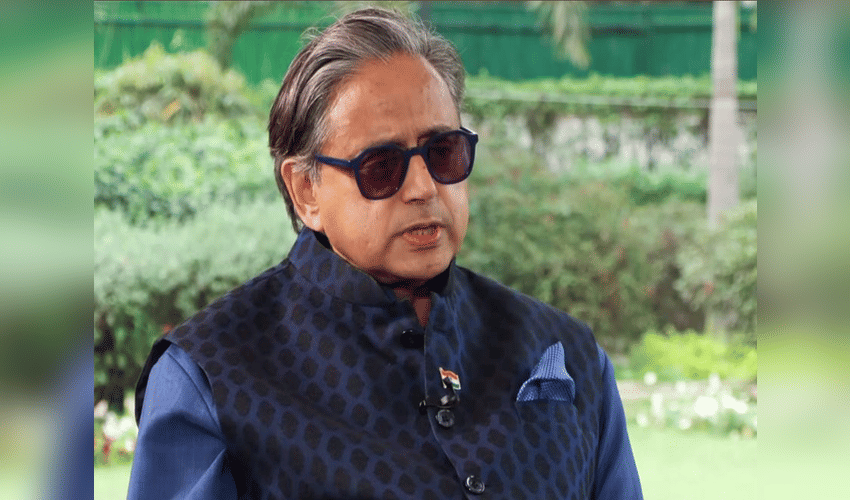

Congress leader Shashi Tharoor has warned that the West Asia conflict, which began on February 28, is disrupting energy supplies from the Gulf and causing international crude prices to surge, creating serious economic repercussions for India. He stressed the need for India to diversify its energy sources and expand trade agreements to better cope with such crises.
In an interview with ANI, Tharoor said that if the conflict between Israel and the US on one side and Iran on the other continues, India has limited options. He suggested that diversifying supply sources and establishing more free trade agreements could help mitigate the impact of global shortages. Tharoor, also Chairman of the Parliamentary Standing Committee on External Affairs, noted that India imports 60–80% of its gas needs—including LNG and LPG—from Gulf countries, and shipments are now arriving in limited quantities. This disruption is affecting households, restaurants, and businesses, leading to broader economic consequences such as slowed factory operations, reduced employment, and decreased consumer purchases.
He highlighted that crude oil prices have jumped from USD 64 per barrel at the start of the conflict to between USD 100 and USD 120, creating potential petrol inflation that impacts all sectors relying on transport. While India is purchasing more Russian oil to offset shortages, Tharoor said this is not yet a complete solution for gas supplies. Tharoor also urged India to take a proactive role in ending the conflict, noting that prolonged fighting could lead to severe shortages globally and that world leaders must act responsibly to prevent further escalation.
MEA spokesperson Randhir Jaiswal added that attacks on civilian energy infrastructure in the Gulf are unacceptable and destabilize the global energy market. India is exploring multiple sources for LPG and oil, including Russia, to ensure domestic fuel needs are met, while emphasizing the importance of unimpeded transit of goods and energy supplies.
Disclaimer: This image is taken from ANI.



