



Asia In News
Pakistan's Ambitious Push for India-Free South Asian Bloc Faces Uphill Battle
Published On Thu, 11 Dec 2025
Fatima Hasan
0 Views
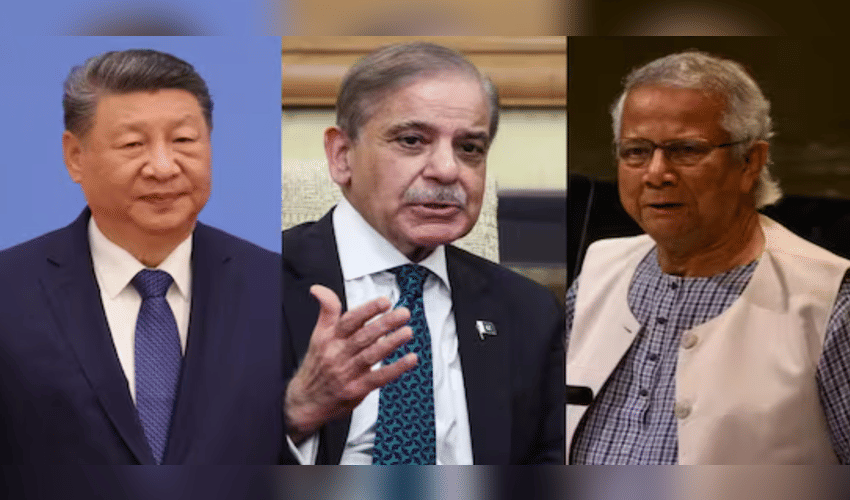

Pakistan is pushing for a new South Asian regional grouping that pointedly excludes India, hoping to move past the long-stalled SAARC framework. Deputy Prime Minister Ishaq Dar has suggested expanding the recent China–Pakistan–Bangladesh trilateral talks into a wider coalition that might bring in Sri Lanka, Nepal, Bhutan, Maldives, Afghanistan, and Myanmar. Officials describe the idea as a flexible, interest-driven arrangement designed to achieve practical cooperation on trade, security, and connectivity—without what they consider India’s obstructive role.
This initiative emerges from SAARC’s deadlock since 2016, when India boycotted the Islamabad summit after the Uri terror attack, accusing Pakistan of backing cross-border militancy. Regional trade remains weak at around 5% of total commerce—roughly $23 billion—due to distrust and limited infrastructure. Supporters of the proposed bloc, leveraging China’s Belt and Road investments, argue it could deliver tangible progress, especially as Bangladesh undergoes political changes following the Hasina era.
Analysts remain skeptical. India’s massive economic and strategic weight overshadows the region: its economy is nearly twelve times larger than Pakistan’s, its population seven times bigger, and it holds far superior military and financial capacity. Many neighboring states depend heavily on India for trade corridors, emergency aid, and crisis support—such as Nepal’s logistics and Sri Lanka’s financial rescue—making an India-free bloc risky. Rabia Akhtar, a security expert, calls the plan “largely aspirational,” cautioning about political pushback and concerns over Chinese-linked debt.
India has instead prioritized BIMSTEC, a more active Bay of Bengal forum that excludes Pakistan, and is pushing ahead with projects involving energy, technology, and trade. Without India’s market size and logistical advantages, Pakistan’s proposed alliance may struggle to gain traction or deliver quick results, even in areas like climate cooperation. Observers note that lasting progress in South Asia will ultimately require inclusive engagement rather than new formations built on exclusion.
Disclaimer: This image is taken from NDTV.



