



Politics
Pakistan Rejects Trump's Abraham Accords Push; Iran Frees 10 Indian Sailors Amid Regional Tensions
Published On Wed, 27 May 2026
Fatima Hasan
3 Views
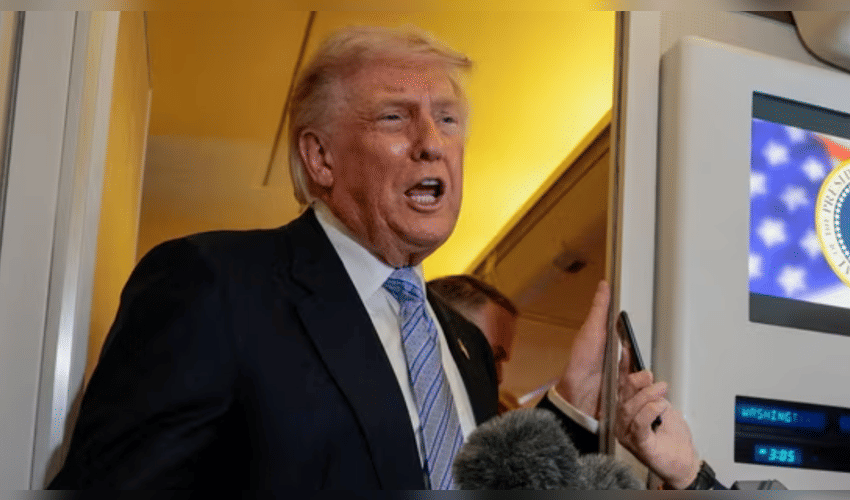

Amid rising diplomatic activity in West Asia, Pakistan has firmly rejected former US President Donald Trump’s call to join an expanded version of the Abraham Accords, while Iran has released 10 Indian sailors detained during recent maritime tensions in the Gulf region. The twin developments come at a sensitive time as indirect talks between Washington and Tehran continue alongside fresh military escalations in the Strait of Hormuz.
Pakistan’s response has drawn attention globally because Trump has been urging several Muslim-majority countries to normalize ties with Israel under a broader regional peace framework linked to ongoing US-Iran negotiations. Islamabad, however, made it clear that joining the Abraham Accords would go against its long-held political and ideological position on Palestine. Pakistan Defence Minister Khawaja Asif reportedly stated that recognizing Israel under the current circumstances was “not acceptable” for the country. The comments quickly triggered reactions in Washington, with US Senator Lindsey Graham questioning Pakistan’s credibility as a possible mediator in the ongoing US-Iran diplomatic process.
The Abraham Accords, originally signed in 2020, led to normalization agreements between Israel and countries such as the UAE and Bahrain. Trump is now attempting to widen the framework by encouraging more regional players to participate. However, analysts believe Pakistan’s domestic political climate and its traditional support for the Palestinian cause make such a shift highly unlikely. At the same time, Iran released 10 Indian sailors who had reportedly been held for months amid heightened security operations linked to the Strait of Hormuz. The release is being viewed as a positive humanitarian gesture at a time when tensions in the Gulf continue to disrupt shipping routes and regional trade.
The Strait of Hormuz remains one of the world’s most strategically important oil transit corridors. In recent weeks, the region has witnessed renewed military strikes, naval deployments, and warnings from Tehran after US forces carried out what Washington described as “self-defence” operations targeting Iranian missile sites and naval activities.
Iran has repeatedly warned that further attacks could trigger stronger retaliation, while negotiations between US and Iranian officials continue through intermediaries in Qatar and other regional channels. Despite signs of diplomatic engagement, both sides remain divided over sanctions, uranium enrichment, and maritime security issues. The developments are especially significant. India maintains strategic ties with both the United States and Iran, while also depending heavily on Gulf shipping lanes for energy imports and trade. The safe return of Indian sailors is likely to ease immediate concerns, but instability in the region continues to pose economic and security risks for New Delhi.
The broader geopolitical landscape in West Asia appears increasingly complex. While some Gulf nations support diplomatic normalization with Israel, others remain cautious due to domestic political pressures and regional sensitivities surrounding the Palestinian issue. Pakistan’s refusal to support Trump’s proposal underlines the challenges facing any attempt to reshape alliances in the Middle East. As diplomatic talks continue and military tensions simmer, the coming weeks are expected to play a crucial role in determining whether the region moves closer to stability or deeper into confrontation.
Disclaimer: This image is taken from



