



Asia In News
Pakistan Declares Open War on Taliban, Bombs Kabul in Deadly Retaliation
Published On Fri, 27 Feb 2026
Fatima Hasan
48 Views
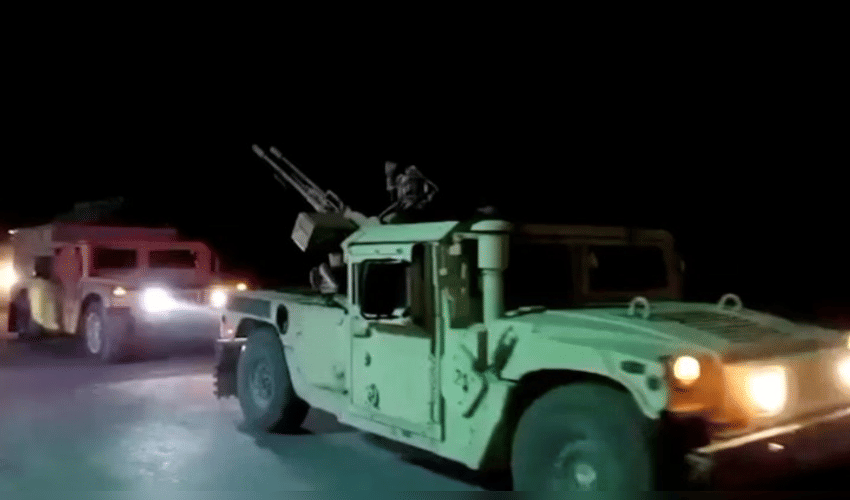

In a sharp escalation along the volatile Afghanistan-Pakistan border, Islamabad has struck back hard, bombing key Afghan cities including Kabul and claiming over 130 enemy fighters killed. The dramatic move follows what Pakistan calls a brazen assault by Afghan forces on its troops, pushing the long-simmering feud into outright confrontation.
Pakistans defense officials confirmed early Friday airstrikes under Operation Ghazab lil Haq, targeting Taliban positions in Kabul, Kandahar, and Paktia. Information Minister Attaullah Tarar reported 133 militants dead and more than 200 wounded, vowing no more restraint against cross-border threats. Eyewitnesses in Kabul recounted deafening blasts and low-flying jets, with smoke rising over Taliban strongholds.
The trigger: Afghan artillery reportedly shelled Pakistani outposts Thursday, killing at least two soldiers and wounding others near the disputed Durand Line. Defence Minister Khawaja Asif took to social media, declaring patience exhausted: It is now open war between us and you. This mirrors a pattern of tit-for-tat violence since the Talibans 2021 return, fueled by Islamabads claims that Kabul shelters Tehrik-e-Taliban Pakistan (TTP) insurgents behind deadly attacks inside Pakistan. Taliban spokesman Zabihullah Mujahid dismissed casualty figures as exaggerated, insisting the strikes hit civilian areas with minimal losses and labeling them unprovoked aggression. Yet independent reports hint at significant disruption in Kabul, where supreme leader Hibatullah Akhundzada maintains a presence.
Flashbacks to 2024 clashes near Khost and Kurram show this isnt new—border skirmishes displaced thousands and killed scores, often over outposts and militant hideouts. Pakistan accuses Afghanistan of enabling TTP, which has intensified bombings and ambushes, while Kabul views Islamabads drone strikes as sovereignty violations. The 2,600-km Durand Line, a British relic both reject, remains a flashpoint blocking trade and stability.
No immediate international mediation has surfaced, though past efforts by China and Qatar averted worse. Disruptions could spike food prices and refugee flows, echoing the 1979 Soviet-Afghan wars fallout. With markets jittery, watch for U.S., India, or Iran reactions amid broader regional stakes. Stay tuned as this unfolds—diplomatic channels may yet intervene, but rhetoric signals prolonged strain.
Disclaimer: This image is taken from Reuters.



