



Economy
Marco Rubio Warns Iran: Strait of Hormuz Is Your "Economic Nuclear Weapon"- Closure Means Disaster
Published On Tue, 28 Apr 2026
Fatima Hasan
101 Views
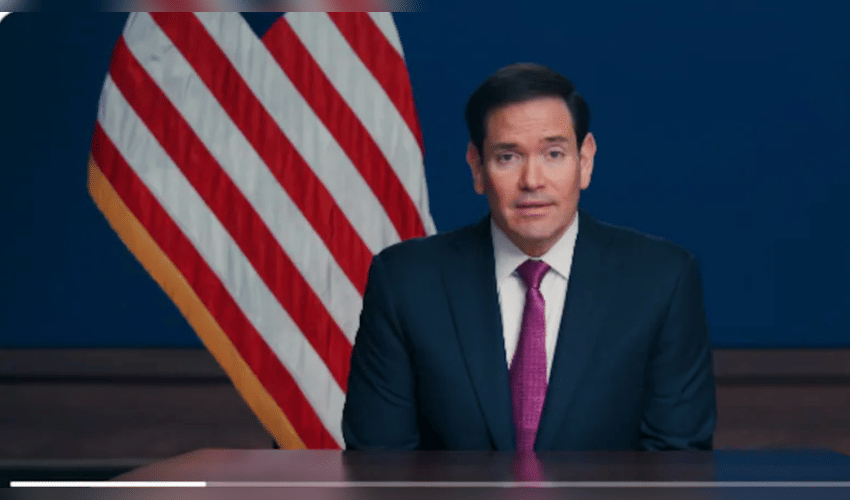

U.S. Secretary of State Marco Rubio unleashed a bold critique of Iran on Monday, branding the countrys grip on the Strait of Hormuz as an economic nuclear weapon capable of devastating global energy markets. Speaking on Fox News, Rubio highlighted Tehrans provocative billboards in the capital that openly boast about holding 20-25% of the worlds oil supply hostage, framing it as brazen economic blackmail.
The Strait of Hormuz, a vital 21-mile-wide waterway between Iran and Oman, funnels about 21 million barrels of oil daily to key markets in Asia, Europe, and beyond—roughly one-fifth of global supply. Iran has long threatened to mine or blockade the strait during escalations, a tactic Rubio slammed as on steroids leverage. Historical precedents, like the 2019 tanker seizures, demonstrate the stakes: oil prices surged 10-15% almost instantly, hammering economies from India to the EU.
This rhetoric aligns with the Trump administrations hardline stance in ongoing 2025-2026 U.S.-Iran talks, demanding Iran scrap nuclear breakout capabilities before any deal. Rubio warned that combining Hormuz threats with near-nuclear status would shield proxies like Hezbollah and Hamas, paralyzing U.S. action across the Middle East.
Iran maintains its nuclear program is purely for civilian energy, but U.S. officials cite accelerated uranium enrichment shrinking breakout timelines to mere months. Reeling from sanctions, missile losses, a crumbling economy, and domestic protests, Tehran may seek negotiations for relief—yet Rubio accuses them of stalling. Rubio previously cautioned that Hormuz closure would be economic suicide for Iran, even calling on top oil buyer China to intervene. A sustained blockade could rocket prices above $150 per barrel, igniting worldwide inflation and rerouting tankers around Africa at massive cost.
The Secretary affirmed the strait will reopen one way or another, signaling potential airstrikes or Gulf alliances without U.S. boots on the ground. As sanctions tighten and naval presence grows, markets brace for volatility. Energy watchers should eye futures closely—this fusion of oil leverage and nuclear saber-rattling keeps the world on high alert.
Disclaimer: This image is taken from NDTV.



