



News
Israel Takes Historic Step to Recognize Armenian Genocide
Published On Mon, 29 Jun 2026
Fatima Hasan
6 Views
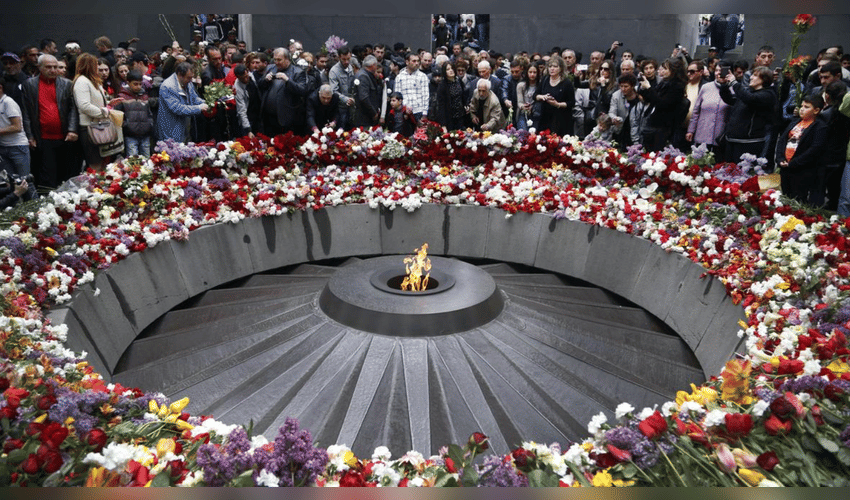

Israel has taken a landmark step toward officially recognizing the Armenian Genocide, marking what could become one of the countrys most significant foreign policy decisions in decades. The move signals a major departure from Israels long-standing position and reflects changing geopolitical realities in the Middle East, particularly its increasingly strained relationship with Turkey. The proposal has received cabinet approval and is expected to move through the remaining parliamentary process before becoming official.
The Armenian Genocide refers to the mass killings and forced deportations of Armenians carried out by the Ottoman Empire during World War I, beginning in 1915. Historians estimate that around 1.5 million Armenians lost their lives during this period. While dozens of countries have formally recognized these events as genocide, Israel had, for many years, avoided taking an official position due to diplomatic and strategic considerations involving Turkey and regional alliances.
Israeli Foreign Minister Gideon Saar described the proposed recognition as a moral and historical responsibility, emphasizing that acknowledging well-documented historical events is essential regardless of present-day political circumstances. According to Israeli officials, the decision is intended to affirm historical truth rather than serve as a reaction to current diplomatic tensions, although many analysts believe the deterioration of Israel-Turkey relations has created the political space for such a shift.
The decision is likely to have significant diplomatic consequences. Turkey has consistently rejected the characterization of the 1915 events as genocide, arguing that the deaths occurred during wartime unrest rather than through a deliberate campaign of extermination. Ankara has repeatedly opposed international recognition efforts and has often warned that such actions could negatively affect bilateral relations. Turkish officials have already criticized Israels latest move, calling it politically motivated.
For Armenia and Armenian communities around the world, Israels decision carries deep symbolic importance. Recognition by Israel has long been viewed as particularly meaningful because of the countrys historical commitment to remembering the Holocaust and combating genocide denial. Many advocates believe that broader international recognition helps preserve historical memory, supports education, and reinforces efforts to prevent similar atrocities in the future.
The development also highlights how history, diplomacy, and modern geopolitics often intersect. For years, Israel balanced moral arguments for recognition against strategic partnerships in the region. However, shifting alliances and evolving regional dynamics appear to have altered that calculation. If the proposal completes the legislative process, Israel will join more than 30 countries that officially recognize the Armenian Genocide.
Beyond its immediate diplomatic impact, the decision may influence future discussions on historical accountability and international human rights. It also demonstrates how governments can revisit long-standing foreign policy positions when political, strategic, and ethical considerations evolve over time.
As the proposal advances through Israels parliament, governments across the region and the international community will be closely watching its outcome. Regardless of the final legislative process, the move represents a historic moment in Israels approach to one of the most debated chapters of early 20th-century history and is likely to shape regional diplomacy for years to come.
Disclaimer: This image is taken from Hindustan Times.



