



Asia In News
Iran's Strait of Hormuz Tolls Clash with Maritime Law and Global Trade Norms
Published On Sat, 11 Apr 2026
Fatima Hasan
11 Views
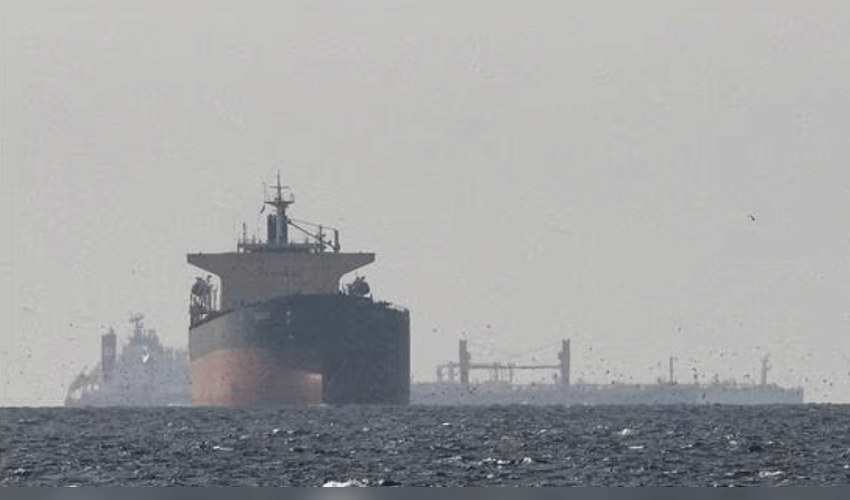

Iran’s push to impose tolls on ships crossing the Strait of Hormuz is drawing sharp criticism from legal experts and regional governments, who say the move violates international maritime law and long‑standing customs of the sea. The plan, which effectively treats the strategic waterway as a state‑run toll route, has raised concerns about the future of open navigation through one of the world’s key oil chokepoints.
Iran has stepped up its demand that vessels passing through the Strait of Hormuz pay fees to transit the narrow channel that links the Persian Gulf to the Gulf of Oman. The Strait carries roughly one‑fifth of global oil shipments, making it one of the most critical shipping lanes on the planet. Under the new framework, some tankers and commercial ships have already been asked to reroute through Iranian‑controlled waters, declare crew and cargo details, and then pay substantial sums—reports in some cases mention payments in the order of millions of dollars—before being allowed to proceed.
Legal experts argue that Iran’s toll scheme runs counter to the UN Convention on the Law of the Sea (UNCLOS), which guarantees “transit passage” through international straits like Hormuz. Under the treaty, ships enjoy the right to continuous and expeditious passage without prior authorization or payment, and coastal states cannot impose tolls or block lawful navigation. Articles 38 and 44 of UNCLOS explicitly limit how Iran and Oman can regulate traffic, reinforcing the principle that the route remains open to all.
Even though Iran has not ratified UNCLOS, maritime lawyers say the broader rules of customary international law still apply in practice. They warn that if Iran and Oman are allowed to monetize the strait, it could set a precedent for other coastal states to start charging for passage through key chokepoints such as the Malacca or Sunda straits. That would mark a major shift from the traditional idea that the sea should remain largely free of pay‑to‑pass arrangements.
The proposal has already triggered strong pushback from Oman, the other coastal state on the Strait of Hormuz. Omani officials have made it clear that they view the waterway as an internationally recognized passage and have rejected Iran’s attempt to impose unilateral tolls. Officials from the Gulf Cooperation Council have gone further, describing the fee collection as a form of “aggression” and a violation of the UN Law of the Sea framework.
For shipping companies and energy‑rich Gulf states, the bigger fear is instability and uncertainty. If major chokepoints can be turned into de facto toll booths, insurers may raise premiums, routes may be rerouted, and global trade could become more expensive and politically exposed. In a region already marked by tension between Iran, the United States, and Israel, the toll dispute is not just a technical legal issue but a test of how far states can stretch the rules that have kept global shipping lanes relatively open for decades.
Disclaimer: This image is taken from Hindustan Times.