



Military
India's Army Chief Rejects China's Shaksgam Valley Claims as 'Illegal'
Published On Wed, 14 Jan 2026
Fatima Hasan
63 Views
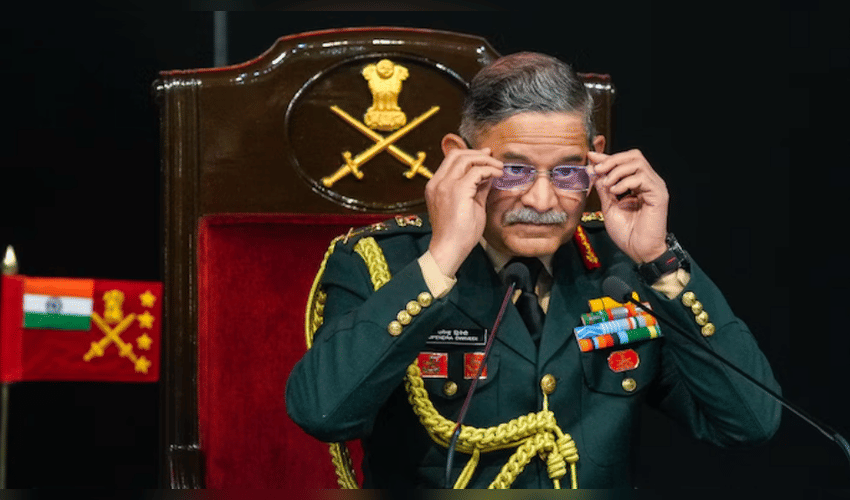

Indias Army Chief General Upendra Dwivedi has firmly rejected Chinas territorial assertions over the Shaksgam Valley, declaring any activity there illegal and underscoring New Delhis unwavering stance on the disputed region. Speaking at a press conference earlier this week, Dwivedi made it clear that India does not recognize the 1963 boundary agreement between Pakistan and China, which ceded the valley to Beijing.
The Shaksgam Valley, spanning about 5,200 square kilometers in the Karakoram mountains north of the Siachen Glacier, has been a bone of contention for decades. Pakistans handover of the area to China came amid the 1962 Sino-Indian war, but India maintains it was part of Jammu and Kashmir, which acceded to India in 1947—making the pact null and void from New Delhis perspective. Recent Chinese infrastructure projects, including roads linked to the China-Pakistan Economic Corridor (CPEC), have only fueled Indias protests, as they encroach on what it considers sovereign territory.
We don’t approve, Dwivedi stated bluntly, labeling Chinese construction efforts in the valley as unlawful and tied to an invalid agreement. This comes amid Beijings defense of its developments, which India fears could outflank its strategic positions in Siachen, the worlds highest battlefield. The Ministry of External Affairs has echoed the Army chief, affirming Indias right to take measures to secure its borders.
Positioned at the sensitive trijunction of India, China, and Pakistan, Shaksgam holds huge geopolitical weight. Chinese road-building here bolsters CPEC connectivity but risks escalating tensions, much like the 2020 Galwan clash that rattled bilateral ties. For India, protecting this rugged frontier is vital to preventing encirclement and maintaining dominance in Ladakh. As diplomatic talks limp along post-Ladakh disengagements, Dwivedis remarks serve as a timely reminder of unresolved fault lines. With infrastructure racing ahead on contested ground, South Asia watches closely for the next move in this high-altitude chess game.
Disclaimer: This image is taken from India Today.



