



Economy
How Namo Cities and New Metro Links Will Transform NCR by 2041.
Published On Wed, 17 Jun 2026
Fatima Hasan
10 Views
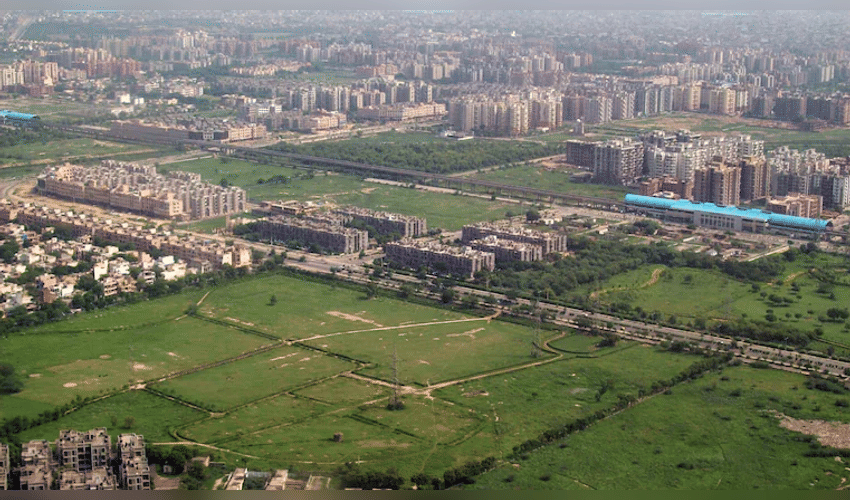

Delhi-NCR is on the cusp of a major urban reset, with the Regional Plan 2041 now placing four new “Namo Cities” and stronger metro-style corridor planning at the center of future growth. The idea is simple but ambitious: move beyond an overburdened Delhi-centric model and build new, transit-linked urban hubs that can absorb population growth, jobs, and housing in a more balanced way.
Under the plan, these new cities are being imagined as transit-oriented developments, which means homes, offices, shops, and leisure spaces would grow around major Namo Bharat stations rather than spreading out in a random, traffic-heavy pattern. That approach matters because NCR is expected to become far more urban by 2041, and the draft vision aims to reduce pressure on the capital while creating better-connected growth centers across Uttar Pradesh, Haryana, and Rajasthan.
The transport piece is just as important as the city-building piece. The plan pushes for 30-minute connectivity between Delhi and major NCR cities through superfast rail and the Namo Bharat network, which could reshape daily commuting, real estate demand, and business locations along those corridors. In practical terms, that kind of travel time can turn once-distant suburbs into serious residential and commercial contenders, especially where metro and regional rail meet.
The funding and selection model is also unusual. A performance-linked package of Rs 5,000 crore has been proposed, including a Rs 1,000 crore grant, and the four cities are expected to be chosen through a competitive process among NCR states. Uttar Pradesh has already floated locations such as Noida, Dadri, Jewar, and Bulandshahr, while Rajasthan is preparing its recommendations too.
For homebuyers, investors, and businesses, the bigger story is not just the name “Namo Cities” but the shift in how NCR may grow over the next decade. If the plan is executed well, the region could see new real estate corridors, better-managed congestion, and more distributed economic activity, but the real test will be land acquisition, coordination between states, and timely infrastructure delivery.
Disclaimer: This image is taken from Hindustan Times.



