



World
Gulf Allies Step In: How Qatar, UAE, and Pakistan Calmed Trump's Iran Strike Plans
Published On Fri, 12 Jun 2026
1 Views
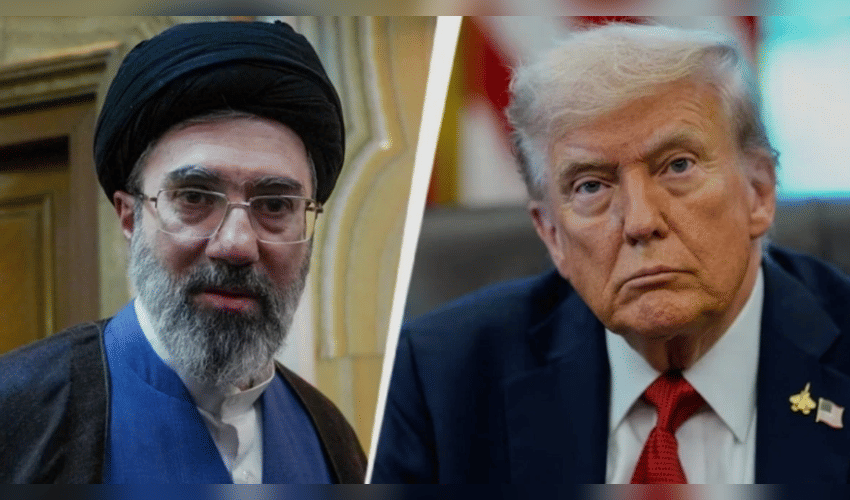

In a dramatic turn of events that could have reshaped the Middle East, President Donald Trump backed away from what he called very hard military strikes against Iran after urgent diplomacy from key regional allies. A new report reveals that leaders from Qatar, the United Arab Emirates, and Pakistan personally pushed the American president to reconsider the planned attacks, marking a significant moment where regional powers successfully influenced Washingtons decision-making on one of the worlds most sensitive conflict zones.
The timing of this diplomatic intervention proved crucial. Trump had been seriously considering fresh military operations against Iranian targets, reportedly frustrated by Tehrans continued nuclear program and its support for proxy groups across the region. However, Gulf leaders understood that American strikes would destabilize the entire region, potentially triggering retaliatory attacks on their own soil—as happened during previous Iran-Israel exchanges that saw missiles land in Qatar and UAE territory. Their message to Trump was clear: military action would create more problems than it solved.
Pakistans role in this mediation effort adds another layer to the story. As a country with complex relationships with both Washington and Tehran, Pakistans leadership, including Foreign Minister Mohsin Naqvi who reportedly traveled to Iran, positioned itself as a trusted intermediary. This diplomatic chess game reflects growing recognition that regional conflicts require regional solutions, with neighboring nations often having better insights into what actually works on the ground than distant powers.
The implications for global energy markets are substantial. The Strait of Hormuz, where Iran and the US have been at loggerheads over toll controls, handles roughly 20% of the worlds oil supply. Any major military confrontation there would send gasoline prices soaring—already up 9 cents per gallon recently, bringing averages to $3.41. Investors have been watching Iran-US peace talks closely, with oil prices climbing when breakthrough prospects seemed uncertain, reaching $104.96 per barrel for Brent crude before recent declines.
What this episode reveals is a shifting power dynamic in Middle East diplomacy. Rather than unilateral American military action, were seeing a more collaborative approach where regional allies have meaningful leverage over Washingtons decisions. This doesnt mean tensions have disappeared—indirect talks between the US and Iran continue exchange draft texts, but gaps remain on uranium stockpiles and Hormuz controls. Yet the fact that Trump paused his strike plans suggests that even in an era of American unpredictability, traditional alliance relationships and regional stability concerns still matter.
Disclaimer: This image is taken from Indian Defense Research Wing.



