



World
Four Republicans Join Democrats in Rare Senate Push to Restrict Trump's Iran War Authority
Published On Wed, 20 May 2026
Fatima Hasan
7 Views
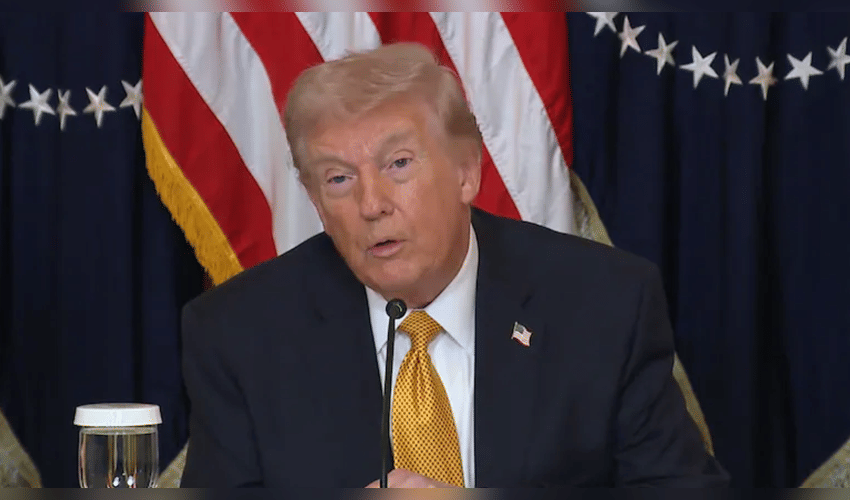

Four Republican senators broke ranks and joined Democrats in a closely contested Senate vote aimed at limiting former President Donald Trump’s authority over military operations linked to Iran. The Senate advanced the War Powers Resolution in a narrow 50–47 vote, reflecting rising tension in Washington over the limits of presidential power in matters of war. Senators Rand Paul, Susan Collins, Lisa Murkowski, and Bill Cassidy sided with Democrats, marking a rare split within the Republican Party on a major foreign policy issue.
The resolution is centered on the War Powers Act, which requires congressional approval for sustained military engagement beyond a set period. Supporters argue that U.S. operations connected to Iran have continued without sufficient congressional authorization, raising constitutional concerns about executive overreach. Although the measure does not immediately end military activity, it seeks to reinforce Congress’s authority in decisions related to armed conflict. Lawmakers backing the resolution said the intent is to ensure that any prolonged military involvement receives proper legislative oversight rather than being directed solely by the executive branch.
Republican senators who supported the resolution expressed different concerns but shared a common theme of limiting unchecked presidential war powers. Senator Rand Paul has long been a critic of expanded military authority under both Democratic and Republican administrations. Senators Susan Collins and Lisa Murkowski have also frequently taken independent positions on foreign policy matters, while Senator Bill Cassidy’s support reflected concerns over congressional consultation and strategic clarity.
The vote underscores growing political unease over the United States’ involvement in Iran-related military actions and the broader question of how much authority a president should have in sustaining armed conflict without explicit approval from Congress. The administration has defended its actions, citing national security risks and regional instability, but critics argue that prolonged engagement without formal authorization weakens constitutional checks and balances.
The resolution now faces an uncertain path ahead in the House of Representatives and would likely encounter a presidential veto if it advances further. The bipartisan break in the Senate highlights increasing debate over war powers and signals that scrutiny of executive military authority remains a contentious issue in Washington.
Disclaimer: This image is taken from NDTV.



