



Asia In News
Former Western Army Commander Manoj Katiyar Says Pakistan Is Likely to Continue Its Proxy Warfare Strategy
Published On Thu, 14 May 2026
Fatima Hasan
5 Views
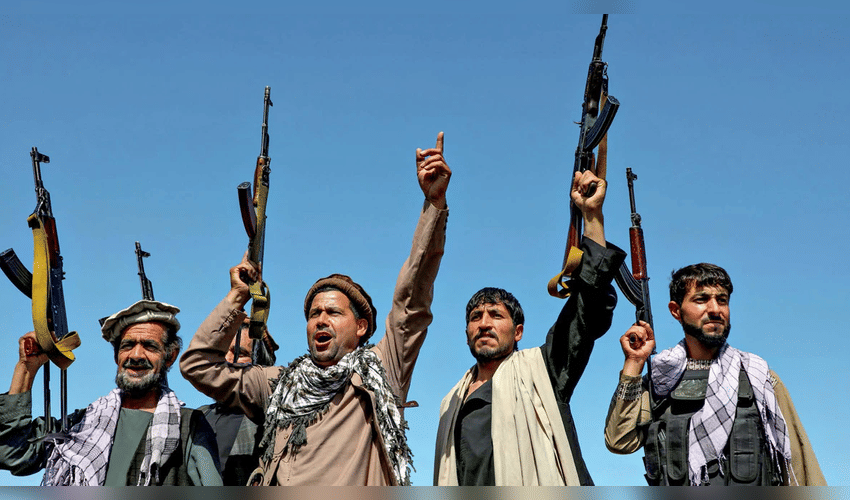

Former Western Army Commander Lieutenant General Manoj Katiyar said Pakistan is expected to continue using proxy warfare as a strategic tool against India, as its military establishment still considers terrorism a cost-effective method to maintain pressure on New Delhi, according to a report by Arvind Chauhan of TOI. Speaking at the “Op Sindoor 2.0: Lessons, Strategy and Prognosis” seminar in Lucknow, organised by STRIVE India with support from HQ Central Command, Lt Gen Katiyar stated that terrorism remains deeply embedded in Pakistan’s military thinking. He said it helps sustain the country’s anti-India narrative while also preserving the military’s influence within Pakistan.
Lt Gen Katiyar, who retired on March 31, 2026 after serving for four decades, had led the Western Command during Operation Sindoor in May 2025. Reflecting on the operation, he said forces under his leadership played a major role in what he described as a turning point in India’s military approach. He observed that India’s reaction to terror incidents such as the Uri, Pulwama, and Pahalgam attacks has steadily become more intense and strategically expansive over time. According to him, this demonstrates a clear shift in India’s defence posture.
The former commander argued that future responses should not be limited to immediate retaliation. Instead, India should focus on creating long-term military, political, and psychological pressure on Pakistan. He added that deterrence should eventually force compliance by making the cost of supporting terrorism too high for Pakistan’s military establishment.
Katiyar also stressed the growing importance of perception management in modern warfare, saying that success in conflict must not only be achieved but also clearly communicated. He highlighted the increasing role of cyber operations and information warfare in shaping public narratives and weakening an adversary’s operational capability. He explained that warfare today extends far beyond traditional battlefields and now simultaneously involves domains such as land, air, cyber, space, information, and the electromagnetic spectrum.
Drawing from Operation Sindoor and recent international conflicts, he pointed to the rising significance of drones, precision-guided strikes, electronic warfare systems, intelligence integration, and faster decision-making processes. He said these capabilities would be essential for effective military responses in the future. The retired Army commander further emphasised the need for stronger military diplomacy. He said India should continue building closer ties with friendly nations and neighbouring countries to improve strategic preparedness and resilience.
According to him, global partnerships and diplomatic engagement can strengthen India’s overall deterrence strategy by complementing military strength with international backing. His remarks echo a wider belief within India’s strategic and security circles that Pakistan is unlikely to move away from its dependence on terrorism, making it necessary for India to continuously evolve its military and strategic doctrine across multiple fronts.
Disclaimer: This image is taken from Indian Defence News.



