



World
Economist Says Strait of Hormuz Could Soon Stop Being a Key Global Oil Route
Published On Mon, 18 May 2026
Fatima Hasan
6 Views
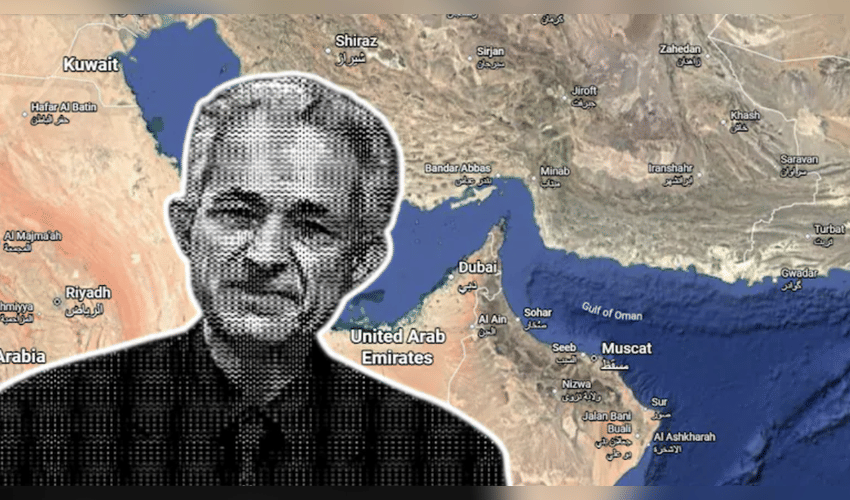

Some economists and energy analysts are suggesting that the Strait of Hormuz — one of the world’s most important oil shipping routes — could lose much of its global influence sooner than expected as countries reduce their dependence on the narrow waterway. The Strait of Hormuz, located between Iran and Oman, currently handles nearly 20% of the world’s oil trade. For decades, any tension in the region has triggered fears of supply disruptions and rising crude oil prices. However, experts now believe several global shifts are beginning to weaken the Strait’s strategic dominance.
The discussion gained momentum after analysts pointed to growing investments in alternative export infrastructure across the Gulf region. Countries such as Saudi Arabia and the United Arab Emirates have expanded pipelines and oil transport routes that bypass the Strait entirely, reducing the risk of supply interruptions during geopolitical crises. Saudi Arabia’s East-West pipeline, for example, allows oil to move directly to ports on the Red Sea without passing through Hormuz. The UAE has also developed export facilities outside the Gulf to secure uninterrupted shipments in case regional tensions escalate.
Energy economists say these developments are changing how markets respond to threats in the region. In the past, even minor confrontations involving Iran or Gulf nations often caused immediate spikes in oil prices. Today, markets appear more resilient due to diversified supply chains, strategic oil reserves, and backup transport systems. Another major factor behind the prediction is the global transition toward renewable energy. Countries across Europe, Asia, and North America are rapidly investing in electric vehicles, solar power, wind energy, and alternative fuel technologies. Analysts believe this gradual shift could reduce long-term dependence on Middle Eastern oil exports.
China and India, two of the world’s largest energy consumers, are also increasing investments in clean energy infrastructure while attempting to diversify crude oil imports from multiple regions. Despite the growing debate, several industry experts caution against declaring the Strait of Hormuz “irrelevant” too soon. Millions of barrels of oil still pass through the corridor every day, and a major disruption would continue to impact global markets, shipping costs, and inflation.
Energy analysts also note that existing alternative pipelines cannot yet fully replace the enormous volume of oil transported through the Strait. Any prolonged blockade or military conflict in the region would still create serious economic consequences worldwide. Still, the conversation highlights a larger transformation taking place in global energy markets. As countries build alternative supply routes and reduce dependence on fossil fuels, the geopolitical power once concentrated around key oil chokepoints may gradually decline. While the Strait of Hormuz remains critical today, experts say its long-term importance could diminish as the world moves toward a more diversified and technologically advanced energy system.
Disclaimer: This image is taken from NDTV.



