



News
E10 Petrol May Return as Premium Fuel for Older Vehicles: Report
Published On Thu, 27 Aug 2026
Fatima Hasan
3 Views
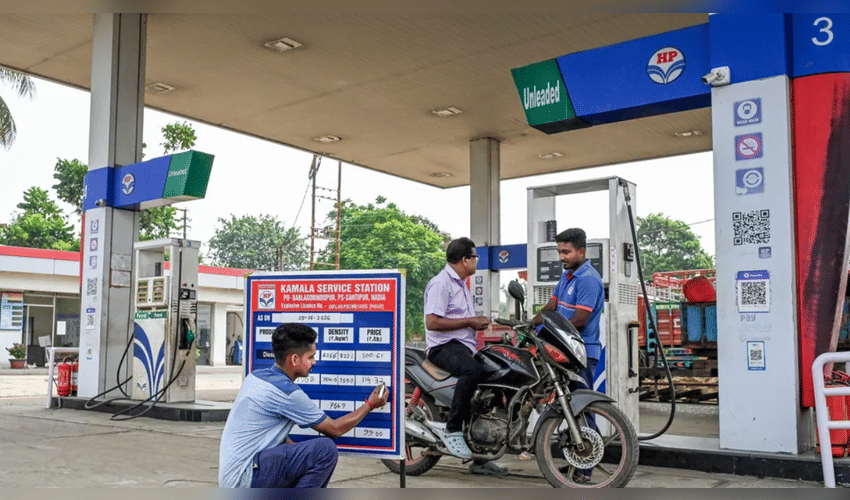

The government is considering bringing back E10 petrol as a premium fuel option for owners of older vehicles, according to a report by LiveMint. The proposal is aimed at addressing growing concerns over the use of E20 petrol in vehicles that were originally designed to run on lower ethanol blends. Under the plan being discussed, premium 95-octane petrol brands such as Indian Oil’s XP95, Bharat Petroleum’s SPEED and Hindustan Petroleum’s Power95 could be sold with a 10% ethanol blend. The idea is still at an early stage, and no final decision has been taken.
The Petroleum Ministry is reportedly discussing the proposal with the three state-owned oil marketing companies. Officials are examining whether premium E10 petrol could provide consumers with a lower-ethanol alternative without requiring the creation of a separate nationwide fuel distribution network. E20 petrol, which contains 20% ethanol, is now the standard blend available at fuel stations across India. While the government has maintained that E20 does not cause widespread damage to vehicles, motorists—particularly owners of older models—have continued to raise concerns about mileage, compatibility and engine performance.
The government said in July that vehicles designed for E10 could experience a marginal 3-5% reduction in fuel efficiency when using E20. It also said there was no evidence of widespread engine failures or vehicle breakdowns caused by ethanol blending. However, concerns have remained among consumers whose vehicles were manufactured before E20-compatible models became more widely adopted. A premium E10 option could potentially address some of these concerns while making use of infrastructure that is already available for premium petrol. XP95, SPEED and Power95 are currently sold as premium 95-octane fuels and are available at a large number of public-sector fuel stations.
Fuel dealers believe that using the existing premium-fuel infrastructure could make the introduction of E10 relatively simple. Since separate facilities are already available for premium petrol at many outlets, oil companies may not need to build an entirely new storage and distribution system. Creating a separate nationwide E10 fuel stream, on the other hand, would require additional storage, transportation and distribution arrangements. This has been one of the main challenges behind calls for multiple petrol blends to be sold simultaneously.
The discussion has gained further attention following comments by Chief Economic Adviser V. Anantha Nageswaran, who recently argued that a lower-ethanol petrol option should be available alongside E20, particularly for owners of older vehicles. Premium petrol sales have also reportedly risen as some motorists look for alternatives amid the E20 debate. According to Mint, premium fuels now account for around 15% of petrol sales by state-run oil companies, compared with about 4% in March.
The government had earlier opposed maintaining separate nationwide supply chains for regular petrol, E10 and E20, citing higher costs and logistical complications. Offering E10 through existing premium petrol brands could provide a middle ground by giving consumers another option without creating an entirely separate fuel network. Consumer groups, however, have argued that motorists should have a clear choice of fuel based on their vehicles compatibility. They have also called for proper labelling and wider availability if E10 is reintroduced. The proposal remains under consideration. If approved, E10 could make a comeback not as a standard petrol blend, but as a premium fuel aimed particularly at consumers with older vehicles.
Disclaimer: This image is taken from Hindustan Times.