



News
Bisleri Contamination Concerns: Can Cancer-Causing Chemicals in Drinking Water Threaten Your Health? Doctor Explains
Published On Tue, 24 Nov 2026
AHN News Desk
2 Views
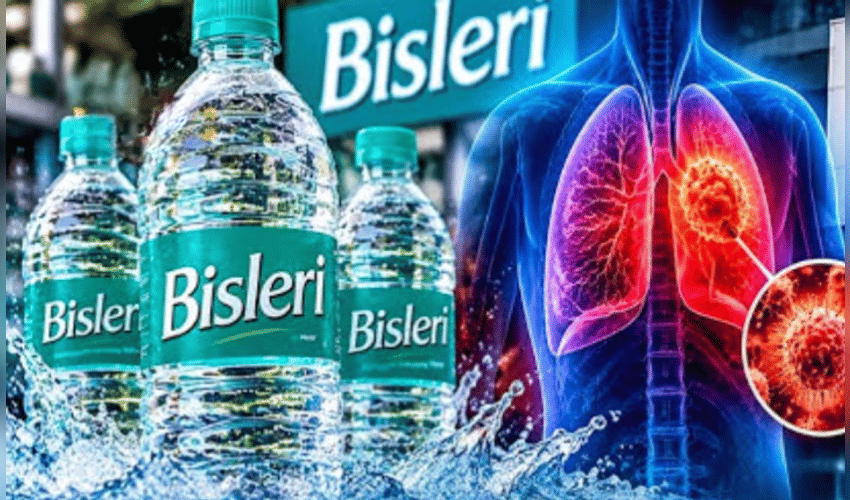

Concerns over the safety of packaged drinking water have intensified after Indias food safety regulator initiated prosecution proceedings against Bisleri International following the detection of potentially harmful chemical contaminants in a water sample collected from its Goa facility. The findings have raised questions about the presence of carcinogenic substances in bottled water and the potential health risks associated with prolonged exposure.
According to reports, an initial laboratory examination of a sample collected in September 2025 detected bromate at 12 micrograms per litre, exceeding Indias prescribed limit of 10 micrograms per litre. A subsequent examination by a referral laboratory reportedly declared the sample unsafe after detecting polycyclic aromatic hydrocarbons (PAHs). Bisleri has disputed aspects of the findings, maintaining that its independent laboratory tests showed bromate levels within permissible limits. The company has also clarified that the issue concerns a particular sample from its Goa facility and should not be interpreted as evidence that all its packaged drinking water products are contaminated.
The controversy has brought renewed attention to an important health question: Can chemicals present in drinking water actually cause cancer? Medical experts explain that prolonged exposure to certain carcinogenic substances can increase the risk of cancer, although the actual health impact depends on the type of chemical, its concentration and the duration of exposure. Bromate is one of the substances at the centre of the controversy. It can form as an unwanted by-product during water disinfection processes involving ozone, particularly when bromide is present in the water. Potassium bromate is classified by the International Agency for Research on Cancer (IARC) as possibly carcinogenic to humans. Research, particularly involving laboratory animals, has raised concerns about its potential to cause tumours following prolonged exposure.
Another group of chemicals mentioned in the findings is polycyclic aromatic hydrocarbons, commonly known as PAHs. These substances are produced through the incomplete burning of organic materials such as coal, oil and wood. They can enter the environment through industrial emissions, vehicle exhaust and other pollution sources. Certain PAHs, including benzo[a]pyrene, are established human carcinogens and have been associated with an increased risk of cancer following long-term exposure.
Doctors caution, however, that the detection of a potentially carcinogenic substance does not automatically mean that someone consuming the affected water will develop cancer. The risk depends on the amount of the chemical entering the body and how frequently a person is exposed to it. Drinking a single bottle of contaminated water does not mean an individual will develop cancer, as the disease typically involves several contributing factors, including genetics, lifestyle and environmental exposure.
The controversy has also prompted questions about whether boiling water can eliminate harmful chemicals. While boiling is effective against many disease-causing microorganisms, it does not reliably remove chemical contaminants such as bromate, arsenic or nitrates. In some circumstances, evaporation can increase the concentration of certain dissolved substances. Specialised purification technologies, including reverse osmosis and activated carbon filtration, may help remove particular contaminants, depending on the system and the chemical involved.
The Bisleri case has further highlighted the common assumption that bottled water is always safer than tap water. Experts point out that the safety of drinking water depends on its source, purification process, packaging, transportation and storage conditions. A familiar brand name or clear appearance cannot independently guarantee that water is free from harmful chemical impurities. The regulatory action has renewed attention on quality-control practices across Indias packaged drinking water industry. Reports indicate that authorities are looking to expand testing to other bottled water brands to strengthen monitoring and identify possible contamination issues. Regular laboratory examinations and transparent reporting are considered essential to maintaining consumer confidence.
Experts recommend checking bottle seals, manufacturing details, batch numbers and applicable quality certifications before purchasing packaged drinking water. People should also pay attention to official safety advisories and avoid consuming products from batches specifically identified by regulators as unsafe. Although the Bisleri controversy has raised legitimate public health concerns, it does not establish that every bottle sold under the brand is contaminated. The findings relate to a particular sample and should be understood in that context. The broader concern is the need for consistent testing, stricter regulatory oversight and accountability across the packaged drinking water industry to ensure that consumers have access to safe drinking water.
Disclaimer: This image is taken from NDTV.