



Economy
Bangladesh Races to Seal Secret US Trade Deal as India's Tariff Cuts Raise Alarms
Published On Fri, 06 Feb 2026
Fatima Hasan
8 Views
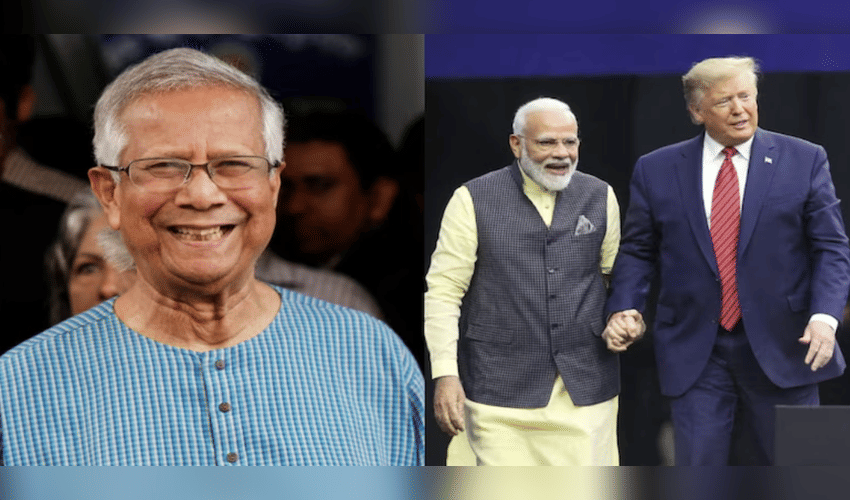

Bangladeshs interim leadership is pushing hard for a behind-closed-doors trade agreement with the United States, a move triggered by Indias recent success in slashing US import tariffs on its goods. With national elections looming just days away, the timing has sparked debates over transparency and economic strategy in the competitive South Asian export arena.
India secured a significant reduction in US tariffs to 18% on its exports, a boon credited to strong diplomatic ties between President Donald Trump and Prime Minister Narendra Modi. This comes as Bangladesh grapples with duties hovering at 20%—an improvement from 37% last year but still a disadvantage against Indias lower rates. The ready-made garments (RMG) industry, Bangladeshs export powerhouse contributing over 80% of its shipments to the US, stands most at risk. Valued at $7-8 billion annually and supporting 4-5 million jobs—many held by women—this sector could see orders migrate to Indian factories if Dhaka fails to respond swiftly.
Under Chief Adviser Muhammad Yunus, Bangladesh aims to finalize the non-public pact by February 9, three days ahead of the February 12 elections. Bound by a 2025 non-disclosure agreement, details remain hidden from lawmakers, the public, and even key industry groups like the BGMEA. Exporters have voiced alarm, with leaders urging a delay until after the vote to allow scrutiny. Reports suggest US concessions could include tariff cuts to 15%, in exchange for curbs on Chinese imports, boosted purchases of American arms, and eased standards on US autos. Commerce officials defend the opacity as standard, promising disclosure post-US approval.
Critics like economist Anu Muhammad decry the process as undemocratic, potentially saddling the incoming government with unfavorable terms. As Bangladesh nears the end of its Least Developed Country status in 2026—losing duty-free US access—the stakes intensify against rivals gaining from pacts like the EU-India deal. Pakistan faces 19% tariffs and China 34%, positioning India favorably in apparel markets. For voters, this pre-poll maneuver raises questions: a savvy growth play or risky concession in Trumps reciprocal trade era? Outcomes could ripple through Dhakas economy and beyond.
Disclaimer: This image is taken from NDTV.



