



World
As Iran's foreign minister arrives in Islamabad, the army issues a strong warning, stating its missile capability has not yet been deployed.
Published On Sat, 25 Apr 2026
Fatima Hasan
28 Views
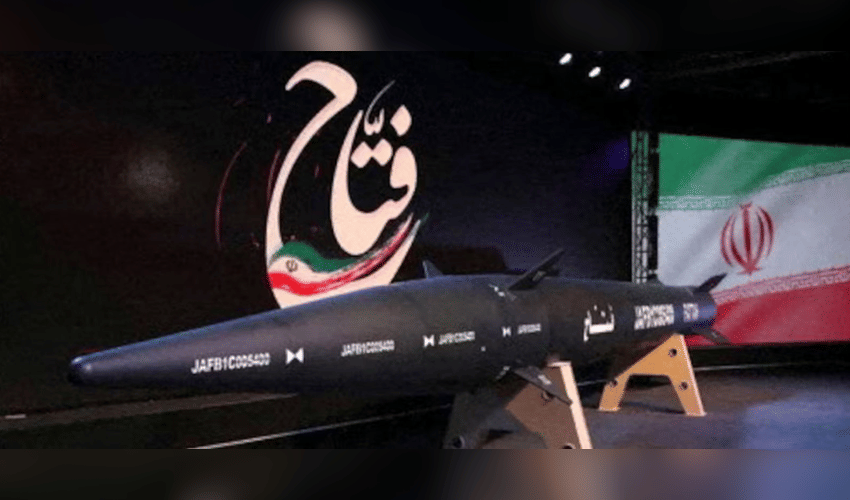

As Iran’s Foreign Minister Syed Aragchi arrived in Islamabad for bilateral discussions and a potential meeting with US negotiators Steve Wirkoff and Jared Kushner, Iran’s military issued a strong statement underscoring its capabilities. Defence Ministry spokesperson Brigadier General Reza Talaei-Nik told state media that a large portion of Iran’s missile arsenal remains unused in recent hostilities, emphasizing that the armed forces had exercised strategic restraint.
He also claimed that Iranian forces maintained full control over the skies of the occupied territories until just before the ceasefire took effect. According to Press TV, his remarks indicate that Iran still holds significant advanced weaponry in reserve. Talaei-Nik highlighted the country’s self-reliance, noting that its weapons are produced through a fully indigenous manufacturing system.
Addressing the strength of Iran’s defence infrastructure, he said the capability is the result of over 25 years of sustained investment, allowing production and support to continue even if some facilities are damaged. He added that nearly 9,000 companies are currently collaborating with the Armed Forces and the Defence Ministry. On the closure of the Strait of Hormuz in response to an American blockade, the spokesperson described the move as a strategic tool to advance Iran’s national interests, claiming effective control of the waterway had forced enemy forces to retreat from the Gulf of Oman.
Talaei-Nik also pointed to strong domestic support, calling recent pro-government rallies a “social miracle,” and claimed that more than 30 million people had joined a national campaign pledging to defend the country. These statements come as a report by the US-based Institute for the Study of War (ISW) suggests that IRGC Commander Ahmad Vahidi and his close allies have repeatedly obstructed efforts by Parliament Speaker Mohammad Bagher Ghalibaf and other pragmatists to move toward a more flexible negotiating stance.
Disclaimer: This image is taken from Reuters.



