



Asia In News
Accusations Fly at Yunus Government Over Osman Hadi's Killing to Disrupt Elections
Published On Wed, 24 Dec 2025
Fatima Hasan
0 Views
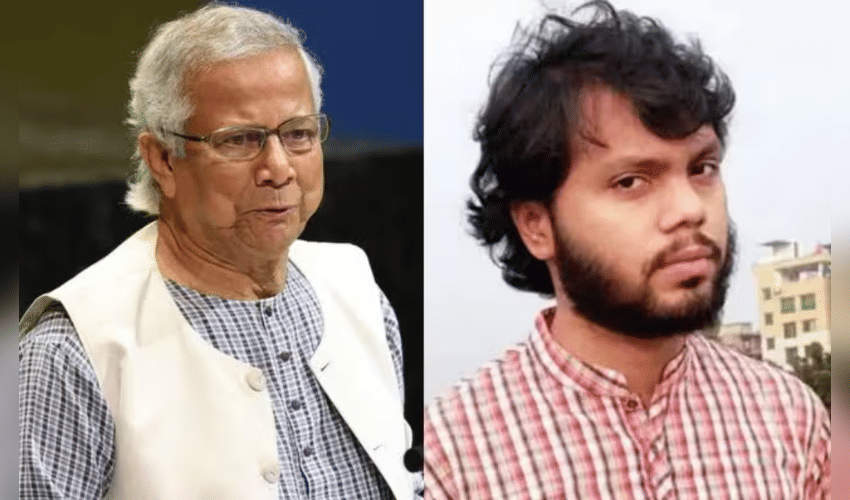

Bangladesh’s political climate has become increasingly volatile following serious accusations connecting the Yunus-led interim government to the killing of student leader Sharif Osman Hadi, heightening concerns about the integrity of the upcoming February elections. Hadi’s brother has publicly alleged that the murder was part of a calculated effort to disrupt the electoral process.
Sharif Omar Hadi, speaking at a charged protest in Dhaka’s Shahbagh district, openly accused members of Muhammad Yunus’s administration of orchestrating the killing. He declared that the government had his brother murdered and was now exploiting the tragedy to interfere with the elections. His remarks came shortly after Sharif Osman Hadi died on December 18 in a Singapore hospital from gunshot wounds. Omar emphasized that his brother had been a strong advocate for holding elections by February and warned the authorities that failure to deliver swift justice could provoke widespread unrest, recalling the turmoil that forced former Prime Minister Sheikh Hasina to leave the country last year.
Sharif Osman Hadi had emerged as a prominent voice for Inquilab Moncho, a movement that grew out of the 2024 uprising which brought down Hasina’s government. On December 12, he was shot in the head at close range by masked attackers while traveling in a rickshaw in Dhaka. Although he was flown to Singapore for treatment, severe brain injuries proved fatal. His killing triggered violent protests, including attacks on newspaper offices and clashes with police, leading to more than a dozen arrests.
At Hadi’s funeral, Muhammad Yunus described the murder as a “conspiracy against democracy” and pledged to uphold the ideals for which Hadi stood. Meanwhile, pressure on the interim government has continued to mount. Leaders of Inquilab Moncho, including Abdullah Al Jaber, have issued stern warnings, threatening mass protests if those responsible are not arrested quickly. Some activists have even suggested seeking assistance from international agencies such as the FBI or Scotland Yard. Allegations of involvement by foreign actors, domestic extremists, the Awami League, and even India have further inflamed tensions and strained diplomatic relations. Political analysts caution that extremist groups could take advantage of the growing instability to derail the electoral process, a pattern seen in other fragile democracies. Former Prime Minister Sheikh Hasina has also weighed in from exile in India, criticizing Yunus for allowing the situation to deteriorate.
With national elections approaching, the crisis has placed Yunus under intense scrutiny. Once celebrated globally for his leadership, he now faces accusations of inaction and mismanagement. Protesters are demanding the immediate establishment of a special tribunal, but no arrests of the main suspects have yet been made, despite reports that the shooter may have fled the country. Observers warn that unless the case is resolved quickly and transparently, Bangladesh could face prolonged instability similar to Thailand’s political turmoil in 2014, when unresolved political violence delayed democratic progress. As tensions rise and minority communities report increased attacks, many are urging calm, accountability, and credible investigations to protect the country’s fragile path toward elections.
Disclaimer: This image is taken from NDTV.



